
About Public Schools

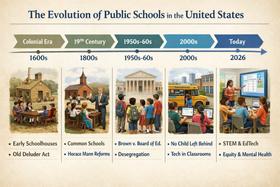
Here we cover the history of public schools, explain the various types and discuss their pros/cons. Learn more about technology on campus, health and nutrition issues, and the latest information related to a variety of student populations.

View the most popular articles in About Public Schools:

Do Public Schools Have Tap Water Safe to Drink?

Updated
|
Do Public Schools Have Tap Water Safe to Drink?
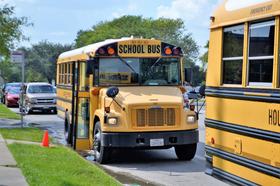
Growing cases of contaminated tap water at public schools around the country are raising more than eyebrows. Learn about whether or not public schools' tap water is safe to drink. This article has been updated to reflect 2026 data and recent developments.

With concerns over the state of our educational system today, it seems there is yet another worry to add to the list: the safety of drinking water in schools. Recent reports of unsafe tap water in school districts across the country are alarming parents and school officials alike. Safeguarding our children's health now involves tuning into the potential dangers lurking in school plumbing systems.

AP Investigation

An Associated Press investigation has highlighted ongoing concerns about school drinking water following an investigation it launched over the safety of school drinking water from coast to coast. This investigation and more recent data confirm that contaminants continue to appear in drinking water at schools in all 50 states, according to a report on CBS News.

Unfortunately, the problem of safe drinking water remains inconsistently monitored across federal, state, and local agencies. This has allowed many school districts to run contaminated water through their systems for years, completely unchecked. The responsibility for ensuring safe water is spread thin among a variety of local, state, and federal agencies, limiting accountability and consistent standards.

"It's an outrage," Virginia Tech engineer Marc Edwards told CBS. "If a landlord doesn't tell a tenant about lead paint in an apartment, he can go to jail. But we have no system to make people follow the rules to keep school children safe?"

The AP study found the majority of problems were present at schools with wells, which is about 8-11% of the schools across the

. . .read more

Meatless Mondays: Why Public Schools are Going Vegetarian

Updated
|
Meatless Mondays: Why Public Schools are Going Vegetarian
This article discusses the implementation of Meatless Mondays in public schools, focusing on Baltimore City Public Schools' initiative. It explores the health and environmental benefits of reducing meat consumption, the mixed reactions to the program, and its spread to other educational institutions across the country

A vegetarian diet isn't one embraced by the majority of Americans today. In fact, according to the Johns Hopkins Center for a Livable Future, most Americans exceed the daily amount of recommended protein by a significant amount, with much of it coming from meat and animal products every day. However, many public schools are hoping to change that trend by introducing "Meatless Mondays" to their students and faculty.

According to an article last year by U.S. News and World Report, numerous schools across the country have begun offering vegetarian selections to students on a daily basis. These choices were provided in addition to meat entrees, giving students both diet options. However, Meatless Mondays are a new concept that was recently introduced by Baltimore City Public Schools and is quickly spreading across the nation as other school districts are hopping onboard the vegetarian bandwagon.

This TEDTalk discusses the concept of Meatless Mondays.

Going Meatless in Baltimore

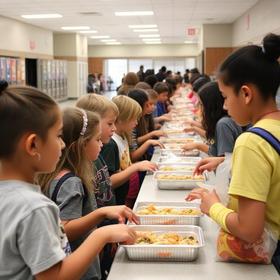
A report in the Washington Post stated the Baltimore City Public Schools launched their Meatless Mondays campaign in October of last year. Instead of the usual fare of hamburgers, pizza, and "pigs-in-a-blanket," the schools are providing students with healthy, meatless options like cheese sandwiches, cheese lasagna, and mixed vegetable bowls.

Melissa Mahoney, a chef and dietician with the Baltimore school district, said the idea started as an element of a themed approach

. . .read more

Does Your Public School have an iPhone App?

Updated
|
Does Your Public School have an iPhone App?
Learn about how iPhone apps could help improve relationships between schools, students, and parents, as well as encourage better learning in the classroom.

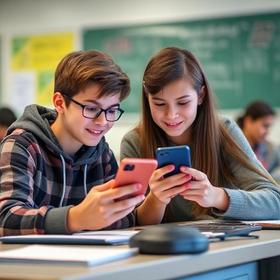
Apps for the iPhone range from car locators to recipe helpers and every other tool in between. Now, iPhone apps are even making their way into public classrooms, allowing students, teachers, and parents more effective ways to keep in touch with one another. Instead of fighting cell phones in the Classroom, some school administrators are learning to make the most of technology to enhance the classroom experience.

An Academic Test Run

According to a recent report on TMCnet, one mobile phone provider is breaking through the ice and bringing the iPhone into the Classroom. MacroSolve, a provider of mobile phone apps, has recently announced that they will be creating a new phone app specifically designed to make the job of educators a little easier. Edison Preparatory School, a public school in Tulsa, Oklahoma, will test the app.

According to MacroSolve CEO and President Clint Parr, schools need to connect within their community. Communication lines between administrators, teachers, parents, and students must allow for real-time exchanges that keep everyone up on the latest happenings at individual schools and within the district.

This is where iPhone apps specifically designed for this purpose come into play. This technology will help the academic community communicate more efficiently, ensuring that information is exchanged at a rate that does not hinder the student's education or the communication between parents and school staff.

Benefits of iPhone Apps in the Classroom

There are plenty of opportunities that the iPhone apps might offer.

. . .read more

Head in the Clouds: Why Public Schools are Embracing Cloud Computing

Updated
|
Head in the Clouds: Why Public Schools are Embracing Cloud Computing
Explore how public schools are integrating cloud computing into their educational frameworks. Understand the advantages such as enhanced collaboration, cost savings, and accessibility, as well as the challenges schools face in adopting this technology.

Two factors have given way to a shift in the focus of technology in the classroom. The need to cut state and district education budgets nationwide forces school administrators to find cheap yet effective ways to educate their students. Educators also realize that many students are already immersed in the technology slowly introduced in classes. By bringing technology into the classroom, teachers can hone in on methodology that students are familiar with, leading to more effective teaching strategies and better results.

These two factors are now ushering cloud computing into several classrooms across the United States, allowing teachers to use the technology for conducting lessons, performing student assessments, and developing homework plans in a virtual teaching space.

Subscriptions for cloud technology usually cost less than the purchase of software to facilitate a similar environment, and students and faculty alike usually adapt to the online approach much better than grappling with software installation and implementation.

What is Cloud Computing?

Cloud computing uses the Internet for much of the functionality that software installations traditionally offer. The term "cloud" refers to the Internet and is similar to the network diagrams used by phones and computers in the past.

Here is a list of cloud-based apps commonly used by public K-12 schools:

Google Workspace for Education
Includes tools like Google Classroom, Google Docs, Google Drive, and Google Meet. It is widely used for collaboration and classroom management.

. . .read more

All-Girl Public High Schools: Improving Confidence and College Success

Updated
|
All-Girl Public High Schools: Improving Confidence and College Success
Discover how all-girl public high schools are making waves in education, fostering confidence and enhancing college success among young women. This article explores the unique benefits of single-gender education, from creating a supportive environment free from gender stereotypes to offering tailored academic programs that empower girls to excel. Learn how these schools cultivate leadership skills, academic achievement, and a strong sense of community, setting students on a path to thrive in college and beyond. With insights from educators and success stories from graduates, uncover the transformative impact of all-girl public high schools on female empowerment and educational attainment.

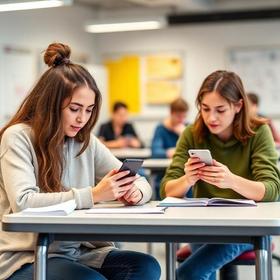
While much of our culture minimizes fundamental differences between boys and girls, some schools embrace these disparities to create a more robust learning environment. All-girl public high schools may not be the norm in most school districts, but the existing schools appear to thrive. These schools cater to female students much differently than traditional co-ed classroom settings, and research indicates that the single-sex approach may have significant advantages.

Learning Differences by Gender

To understand the potential benefits of an all-female education, we must begin with an overview of the learning differences between genders. According to Scholastic, girls and boys enter school using parts of their brains quite differently. Girls use their left hemispheres in early grades to excel in writing, reading, and speaking. Right-hemisphere development helps girls tune in to the feelings of teachers and other students.

On the other hand, boys in the early years use their left hemispheres to recall important facts, while the right hemispheres are used for visual-spatial and visual-motor skills. This may, in part, explain why boys tend to excel in math, science, and geography in the early years, while girls perform better in basics like reading and writing. These generalizations do not always apply to all children, but they indicate essential strengths and weaknesses that tend to differ between the two genders.

When hormones start revving, they can also affect how girls perform in school. Michelle Russell, co-director of the Young Woman's Leadership Charter School in Chicago, told

. . .read more

Recent Articles

Test Article, Image and Content
Test Test Test Test Test Test Test Test Test Test Test Test Test Test Test Test Test Test Test Test Test Test Test Test Test Test Test Test Test Test Test Test Test Test Test Test Test Test Test Test Test Test Test Test Test Test Test Test Test Test Test Test Test Test Test Test Test Test Test Test Test Test Test Test Test Test Test Test Test Test Test Test Test Test Test Test Test Test Test Test Test Test Test Test Test Test Test Test Test Test Test Test Test Test Test Test Test Test Test Test Test Test Test Test Test Test Test Test Test Test Test Test Test Test Test Test Test Test Test Test Test Test Test Test Test Test Test Test Test Test Test Test Test Test Test Test Test Test Test Test Test Test Test Test Test Test Test Test Test Test Test Test Test Test Test Test Test Test Test Test Test Test Test Test Test Test Test Test Test Test Test Test Test Test Test Test Test Test Test Test Test Test Test Test
10 Major Challenges Facing Public Schools in 2026
Explore 10 major challenges facing public schools in 2026, from funding gaps to teacher shortages, with insights for parents and educators.
Overview of the Funding of Public Schools (2026 Guide)
Learn how public schools are funded in 2026, including federal, state, and local sources, and what it means for equity and student outcomes.

About Public Schools

OVERVIEW OF PUBLIC SCHOOLS
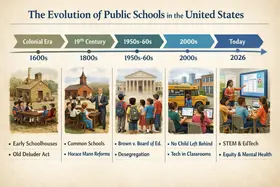
A comprehensive look at the U.S. public school system, including history, governing bodies, funding, and services. Compare private, public and charter schools. Learn more about Magnet school programs and get tips on choosing the right school for your child.
TYPES OF PUBLIC SCHOOLS
Explore the different types of public schools, from charter to language immersion, and learn about the unique pros and cons of each type. Is a co-ed or single sex classroom best for your child? Charter school or magnet? Read expert advice and get valuable tips on the various public education programs available and how to choose what works best for your family.
TECHNOLOGY ON CAMPUS
From eBooks to web cams, technology on campus continues to grow. Learn how the latest technology impacts your child’s education. Get tips on the best ways to integrate technology into education and stay abreast of the latest developments and challenges facing schools.
HEALTH AND NUTRITION AT SCHOOL
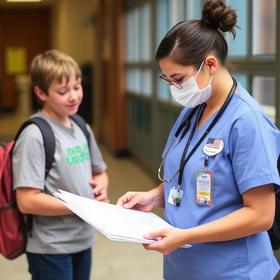
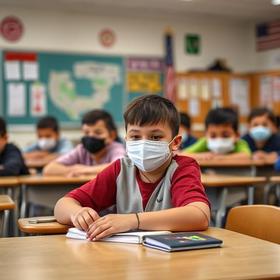
From vending machines to Jamie Oliver, bed bugs to tuberculosis, we provide an in-depth look at health and wellness in public schools. Help your kids stay healthy on campus and learn about current health epidemics, vaccination requirements, physical fitness programs and the latest food initiatives.
BACK TO SCHOOL
Learn more about preparing your child and wallet for a new school year. Inside you’ll find valuable advice to help your family prepare for the transition from swimsuits to school. While there is no tuition, public school education does not come without costs. Learn more about budgeting for a new school year and get great money saving tips.
STUDENT POPULATIONS
The latest trends, laws and resources for a variety of student populations. Every child has different needs, and this section offers helpful information for LGBT, special education, gifted, low-income, and minority students.