About Public Schools

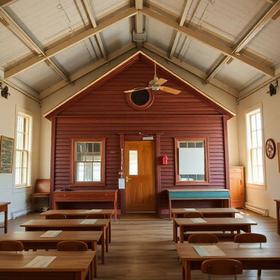
Here we cover the history of public schools, explain the various types and discuss their pros/cons. Learn more about technology on campus, health and nutrition issues, and the latest information related to a variety of student populations.

View the most popular articles in About Public Schools:

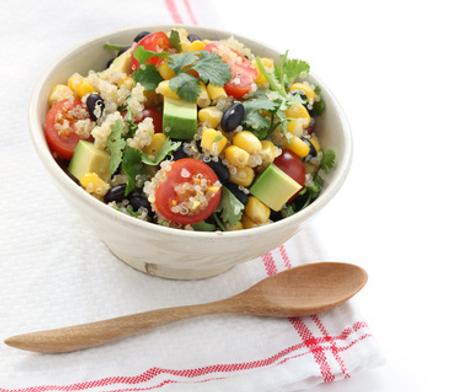
Is Your Child Eligible for Free School Meals?

Updated
|
Is Your Child Eligible for Free School Meals?
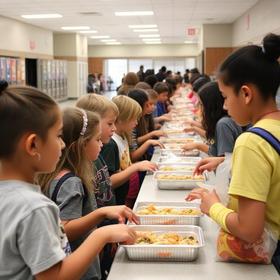
Learn about the National School Lunch Program, which provides free or low-cost meals to students, and see if your child can qualify for the program.

If your family is currently facing financial difficulties, your children may be eligible for free or reduced-cost meals at school. In today's soft economy, a rising number of students can qualify for food assistance - which is particularly important to providing nutrition that will promote optimal learning.

The National School Lunch Program (NSLP) is a federally assisted initiative in the United States that provides nutritious and affordable meals to school children. It was established in 1946 and is administered by the United States Department of Agriculture (USDA).

The primary goal of the National School Lunch Program is to ensure that all students have access to healthy meals during the school day. The program aims to promote the overall well-being and academic performance of children by providing them with balanced and nutritious food options.

Under the NSLP, participating schools receive cash subsidies and food commodities from the USDA to offer free or reduced-price meals to eligible students. The program is available in public, nonprofit private, and residential child care institutions, including pre-kindergarten and afterschool programs.

The NSLP offers a variety of food choices that meet specific nutritional guidelines. These guidelines are designed to provide a balanced mix of protein, fruits, vegetables, whole grains, and low-fat dairy products. The meals served through the program are required to meet certain standards for calories, saturated fat, sodium, and other nutrients.

Parents play a crucial role in the National School Lunch Program. They are responsible for submitting an application for their child

. . .read more

Charter Schools vs. Traditional Public Schools: Which One is Under-Performing?

Updated
|
Charter Schools vs. Traditional Public Schools: Which One is Under-Performing?
Learn about whether charter schools or traditional public schools are enjoying better academic performance amongst their students. What do the test results reveal?

Charter schools have become the modern rival of public schools, but does the reality of charter performance match the hype? According to Change.org, "Charter schools get overwhelmingly positive press and make a lot of claims about their success. But actually, numerous studies confirm that their achievement is indistinguishable from that of traditional public schools. Some are very successful, some are troubled and struggling, and the rest are somewhere in between just like traditional public schools."

In a closer examination, charter schools, as explained by US News and World Report, are publicly funded institutions that operate under their own standards of conduct and curriculum outside the realm of local public school districts. Although these institutions are funded by tax dollars, charter schools are ultimately given the freedom to establish their own methods of operation, similar to how many private schools are able to design their instructional and social practices. According to the National Education Association, although some state statutes, regulations and rules may still apply to charter schools, they are generally outside the bounds of traditional educational oversight by the state and instead are governed by a board of directors. The original impetus for the creation of charter schools was to increase competition for students, thus giving parents more choices in terms of where their children go to school. It was also theorized that increased competition between public and charter schools would lead to better educational programs for all students.

. . .read more

Envisioning the School Year - How a Team Approach Can Make the Difference
Updated
|
Envisioning the School Year - How a Team Approach Can Make the Difference
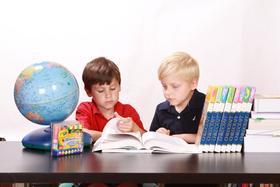
Learn how proper planning your child's school year can improve their learning.

"Coming together is a beginning.
Keeping together is progress.
Working together is success."

- Henry Ford

What is your vision for the school year? Is academic achievement at the top of the list or will this be the year your child breaks out of his social shell? Will your family grow closer or more distant as they face the challenges of another school year? Who will guide your child’s development?

A vision defines a direction towards a goal. Realizing a vision requires support from a motivated group of individuals; a team of people, who band together through adversity, acknowledge achievements and inspire motivation.

This video offers some tips for a successful school year.

Who’s on your team?

According to the United States Census Bureau, today’s generation of school-age children spends the majority of their waking hours in the care of someone other than their parents. Given the influence that teachers, coaches, mentors, and extended family members have on a child’s development the necessity for building a relationship with this group of people has never been greater. Creating a team of focused and motivated individuals who will continually support the ongoing growth of your child requires a new set of parenting skills.

5 Steps to Building Your Support Team

  • Create a roster. Who will impact your child’s life this year? Begin by creating a list of the adults who
. . .read more

Why Peanuts are Being Banned at Public Schools

Updated
|
Why Peanuts are Being Banned at Public Schools
Learn about why public schools are entirely banning peanuts on campus and the severe dangers children allergic to peanuts can experience from even casual exposure.

According to WebMD reports, the number of children who are allergic to peanuts has doubled in just the last several years! Specifically, in a nationwide survey, over 3 percent of American homes have family members with serious peanut allergies.

As the number of allergy cases continues to rise, many public schools have gradually implemented “peanut bans” in order to protect all of their students from these health threats. However, many parents and community members pose the question: are peanut-free public schools overreacting?

This video offers an overview of peanut allergies.

Peanut Allergies and Public School Students

As WebMD reveals, despite the increasing number of peanut allergies in the United States, many individuals are unaware of the serious implications of peanut exposure. Alarmingly, nearly 80 percent of children who are allergic to nuts experience symptoms such as:

  • Throat tightness
  • Shortness of breath
  • Hives
  • Difficulty breathing

Since allergic reactions to nuts can actually inhibit or halt breathing, many officials assert that public areas, especially schools, should regulate the consumption of these products. While schools are certainly hoping to protect their students who are known to be allergic, school officials are also striving to protect those who are unaware of their own allergies. In fact, only? of children have been reported to visit a doctor to investigate their own allergies.

Yet even when students are aware of their own allergies, sometimes the mere exposure to various forms of

. . .read more

Is Your Child’s School Prepared for a Pandemic Health Threat?

Updated
|
Is Your Child’s School Prepared for a Pandemic Health Threat?
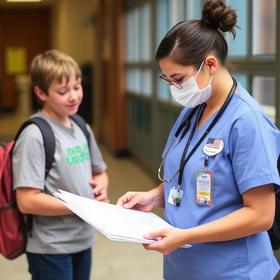
Learn about how your school will address pandemic health issues, such as the H1N1 virus, and how you can be proactive in learning about school closing guidelines.

Amidst the recent H1N1 virus scare, public schools are being celebrated for their proactive efforts to minimize student illness and the spread of disease. As the U.S. Department of Health and Human Services explains, “Schools play a critical role in protecting the health of their students, staff, and the community from highly contagious, infectious diseases such as seasonal or pandemic influenza.”

To contain the pandemic threat, a number of public schools chose to close their doors upon reports of symptoms of the H1N1 virus. Many experts assert that public school leaders have helped contribute to the diminished threat of this potentially serious illness.

Public Schools and Health Regulations

Based upon extensive studies and investigations conducted by the Center for Disease Control and Prevention, the U.S. Department of Health and Human Services asserts that public schools’ proactive efforts to administer schoolwide closures amidst health threats have been proven to mitigate the incidence of pandemic influenza viruses. With this precautionary step, public school leaders have the ability to help protect their students, families, and extended community members from the dangers of serious contagious diseases.

While public schools have historically closed for weather-related factors and illness-related incidents, public schools are not actually legally required to close their doors amidst times of non-emergency illnesses. As each school district, county, and state hold varying authorities over closing their schools, leaders are urging parents to find out about their local schools’ pandemic response plans. Parents and community members should be aware of
. . .read more

Recent Articles

Test Article, Image and Content
Test Test Test Test Test Test Test Test Test Test Test Test Test Test Test Test Test Test Test Test Test Test Test Test Test Test Test Test Test Test Test Test Test Test Test Test Test Test Test Test Test Test Test Test Test Test Test Test Test Test Test Test Test Test Test Test Test Test Test Test Test Test Test Test Test Test Test Test Test Test Test Test Test Test Test Test Test Test Test Test Test Test Test Test Test Test Test Test Test Test Test Test Test Test Test Test Test Test Test Test Test Test Test Test Test Test Test Test Test Test Test Test Test Test Test Test Test Test Test Test Test Test Test Test Test Test Test Test Test Test Test Test Test Test Test Test Test Test Test Test Test Test Test Test Test Test Test Test Test Test Test Test Test Test Test Test Test Test Test Test Test Test Test Test Test Test Test Test Test Test Test Test Test Test Test Test Test Test Test Test Test Test Test Test
10 Major Challenges Facing Public Schools in 2026
Explore 10 major challenges facing public schools in 2026, from funding gaps to teacher shortages, with insights for parents and educators.
Overview of the Funding of Public Schools (2026 Guide)
Learn how public schools are funded in 2026, including federal, state, and local sources, and what it means for equity and student outcomes.

About Public Schools

OVERVIEW OF PUBLIC SCHOOLS
A comprehensive look at the U.S. public school system, including history, governing bodies, funding, and services. Compare private, public and charter schools. Learn more about Magnet school programs and get tips on choosing the right school for your child.
TYPES OF PUBLIC SCHOOLS
Explore the different types of public schools, from charter to language immersion, and learn about the unique pros and cons of each type. Is a co-ed or single sex classroom best for your child? Charter school or magnet? Read expert advice and get valuable tips on the various public education programs available and how to choose what works best for your family.

TECHNOLOGY ON CAMPUS
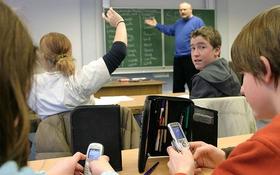
From eBooks to web cams, technology on campus continues to grow. Learn how the latest technology impacts your child’s education. Get tips on the best ways to integrate technology into education and stay abreast of the latest developments and challenges facing schools.
HEALTH AND NUTRITION AT SCHOOL
From vending machines to Jamie Oliver, bed bugs to tuberculosis, we provide an in-depth look at health and wellness in public schools. Help your kids stay healthy on campus and learn about current health epidemics, vaccination requirements, physical fitness programs and the latest food initiatives.

BACK TO SCHOOL
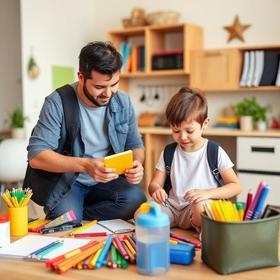
Learn more about preparing your child and wallet for a new school year. Inside you’ll find valuable advice to help your family prepare for the transition from swimsuits to school. While there is no tuition, public school education does not come without costs. Learn more about budgeting for a new school year and get great money saving tips.
STUDENT POPULATIONS
The latest trends, laws and resources for a variety of student populations. Every child has different needs, and this section offers helpful information for LGBT, special education, gifted, low-income, and minority students.