
Deprecated: Return type of Phpfastcache\Util\ArrayObject::offsetGet($offset) should either be compatible with ArrayAccess::offsetGet(mixed $offset): mixed, or the #[\ReturnTypeWillChange] attribute should be used to temporarily suppress the notice in /home/devzheng/workspace/psr/vendor/phpfastcache/phpfastcache/lib/Phpfastcache/Util/ArrayObject.php on line 106

Deprecated: Return type of Phpfastcache\Util\ArrayObject::offsetSet($offset, $value) should either be compatible with ArrayAccess::offsetSet(mixed $offset, mixed $value): void, or the #[\ReturnTypeWillChange] attribute should be used to temporarily suppress the notice in /home/devzheng/workspace/psr/vendor/phpfastcache/phpfastcache/lib/Phpfastcache/Util/ArrayObject.php on line 115

Deprecated: Return type of Phpfastcache\Util\ArrayObject::offsetUnset($offset) should either be compatible with ArrayAccess::offsetUnset(mixed $offset): void, or the #[\ReturnTypeWillChange] attribute should be used to temporarily suppress the notice in /home/devzheng/workspace/psr/vendor/phpfastcache/phpfastcache/lib/Phpfastcache/Util/ArrayObject.php on line 130

Deprecated: Return type of Phpfastcache\Util\ArrayObject::current() should either be compatible with Iterator::current(): mixed, or the #[\ReturnTypeWillChange] attribute should be used to temporarily suppress the notice in /home/devzheng/workspace/psr/vendor/phpfastcache/phpfastcache/lib/Phpfastcache/Util/ArrayObject.php on line 48

Deprecated: Return type of Phpfastcache\Util\ArrayObject::next() should either be compatible with Iterator::next(): void, or the #[\ReturnTypeWillChange] attribute should be used to temporarily suppress the notice in /home/devzheng/workspace/psr/vendor/phpfastcache/phpfastcache/lib/Phpfastcache/Util/ArrayObject.php on line 56

Deprecated: Return type of Phpfastcache\Util\ArrayObject::rewind() should either be compatible with Iterator::rewind(): void, or the #[\ReturnTypeWillChange] attribute should be used to temporarily suppress the notice in /home/devzheng/workspace/psr/vendor/phpfastcache/phpfastcache/lib/Phpfastcache/Util/ArrayObject.php on line 80

Deprecated: Return type of Phpfastcache\Drivers\Memcached\Item::jsonSerialize() should either be compatible with JsonSerializable::jsonSerialize(): mixed, or the #[\ReturnTypeWillChange] attribute should be used to temporarily suppress the notice in /home/devzheng/workspace/psr/vendor/phpfastcache/phpfastcache/lib/Phpfastcache/Core/Item/ItemExtendedTrait.php on line 438
Teaching

Teaching

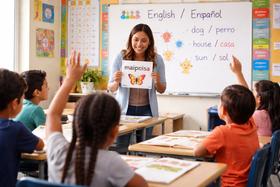
How Public Schools Train Staff Each Year

Updated
|
How Public Schools Train Staff Each Year
Learn how public schools train staff each year through professional development, safety training, technology instruction, and ongoing educational support.

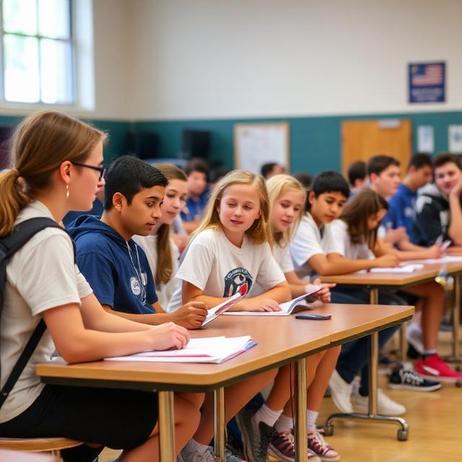
When students return to school each fall, most families focus on new teachers, class schedules, and academic goals. Behind the scenes, however, schools spend considerable time preparing the adults who make learning possible. Before classrooms fill with students, teachers, administrators, counselors, paraprofessionals, and support staff typically participate in a wide range of training activities designed to ensure a successful school year.

Annual staff training has become increasingly important as public schools respond to changing educational standards, new technology, student wellness initiatives, and evolving safety requirements. While training programs vary by district, nearly every public school invests significant time in helping employees strengthen their skills and stay current with educational best practices.

The goal is simple: create a learning environment where students can thrive academically, socially, and emotionally.

Why Annual Training Matters

Education is constantly evolving. New instructional strategies emerge, state standards change, technology advances, and schools encounter new challenges that require updated approaches.

For this reason, professional learning is no longer viewed as an occasional event. Instead, many districts see staff development as an ongoing process that supports continuous improvement.

According to the U.S. Department of Education, effective professional development helps educators strengthen instructional practices and better meet the needs of diverse student populations. Annual training ensures that teachers and staff members remain informed about current expectations while providing opportunities to learn from colleagues and educational experts.

Just as students are expected to continue learning, educators are expected to do the same.

Preparing for the
. . .read more

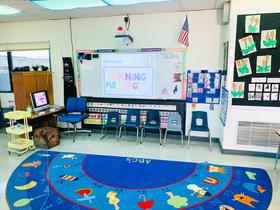
How Public Schools Support New Teachers

Updated
|
How Public Schools Support New Teachers
Learn how public schools support new teachers through mentoring, coaching, collaboration, professional development, and retention strategies.

Beginning a teaching career is both exciting and challenging. New teachers enter the classroom with subject knowledge, training, and enthusiasm, but the realities of managing a classroom, meeting student needs, communicating with families, and navigating school systems can feel overwhelming during the first few years.

As public schools continue addressing teacher shortages and retention concerns in 2026, supporting new educators has become a major priority. Schools that invest in mentoring, professional development, collaboration, and teacher wellness are often better positioned to retain talented educators and improve student outcomes.

According to the National Center for Education Statistics, teacher turnover remains a significant issue nationwide. Supporting teachers early in their careers can help districts build a stronger and more stable workforce.

Why New Teachers Need Support

The transition from teacher preparation programs to full-time classroom teaching can be difficult.

New educators must quickly learn how to:

  • Manage classroom behavior
  • Plan effective lessons
  • Differentiate instruction
  • Assess student learning
  • Communicate with parents
  • Navigate district expectations
  • Balance competing responsibilities

Even highly prepared teachers benefit from guidance and support during their first years.

Districts facing staffing challenges have increasingly recognized the importance of retention, a topic explored in Teacher Shortage Solutions That Are Working in 2026.

Mentoring Programs

One of the most effective ways public schools support new teachers is through mentoring programs.

Many districts pair beginning teachers with experienced educators who provide guidance throughout the school year. These mentors help new teachers understand school procedures, refine instructional practices, and build confidence.

Mentors often assist with:

  • Classroom management
  • Lesson
. . .read more

What a Typical Day Looks Like for a Public School Teacher

Updated
|
What a Typical Day Looks Like for a Public School Teacher
Explore a typical day in the life of a public school teacher, from lesson planning and instruction to grading, meetings, and student support.

Public school teachers play a vital role in shaping the educational experiences of millions of students each year. While students and parents often see teachers during classroom instruction, much of a teacher’s work happens before the first bell rings and long after students leave for the day.

In 2026, public school teachers continue balancing traditional classroom responsibilities with evolving technology, increased student support needs, and growing expectations from schools and communities. Understanding what a typical day looks like for a public school teacher offers valuable insight into the dedication and effort required to help students succeed academically and personally.

According to the National Center for Education Statistics, public schools enroll tens of millions of students nationwide, making teachers one of the most influential factors in daily student learning.

The Day Starts Before Students Arrive

Most public school teachers arrive at school well before students.

Depending on the district and grade level, teachers often arrive between 6:45 a.m. and 7:30 a.m. This quiet time allows them to prepare for the day ahead and address important tasks before classrooms fill with students.

Morning responsibilities typically include:

  • Reviewing lesson plans
  • Preparing instructional materials
  • Organizing classroom activities
  • Setting up technology
  • Responding to emails
  • Reviewing student data and assignments

Many teachers also use this time to collaborate with colleagues or adjust lessons based on student performance from previous days.

Staffing shortages in many districts have added new demands to teachers’ schedules, a challenge explored in Public School Review’s article on how public schools

. . .read more

Helping Students Stay Motivated After the First Quarter

Updated
|
Helping Students Stay Motivated After the First Quarter
Learn practical strategies to help students stay motivated after the first quarter and maintain academic momentum throughout the school year.

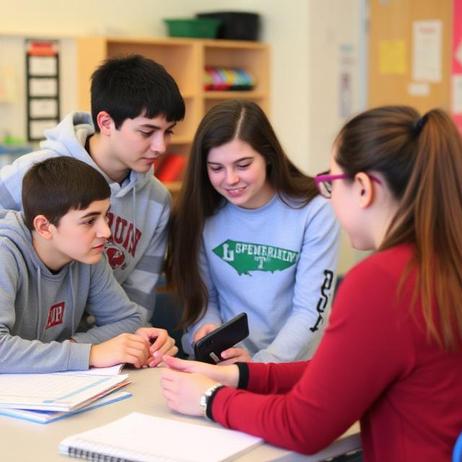
The first quarter of the school year often arrives with enthusiasm, fresh supplies, and ambitious goals. By the time report cards are issued, however, many students experience a noticeable decline in motivation. The novelty of a new school year fades, academic demands increase, extracurricular schedules become busier, and students may begin to feel overwhelmed or discouraged.

Helping students stay motivated after the first quarter is one of the most important challenges facing parents, teachers, and school leaders. Students who maintain momentum during the middle months of the academic year are more likely to improve their grades, develop stronger study habits, and finish the year with confidence.

As schools continue to address academic recovery, student well-being, and engagement initiatives in 2026, sustaining motivation has become an even greater priority. Fortunately, research and experience suggest that a combination of goal setting, positive reinforcement, and meaningful support can help students remain focused long after the excitement of the first day of school has passed.

Why Motivation Often Declines After the First Quarter

The first quarter serves as an adjustment period. Students learn classroom expectations, establish routines, and often receive early feedback on their academic performance.

Several factors can contribute to a midyear motivational slump:

  • Academic work becomes more challenging.
  • Students encounter lower-than-expected grades.
  • Long-term projects begin to accumulate.
  • Sports and extracurricular commitments increase.
  • Fatigue develops as the school year progresses.
  • Social pressures become more prominent.

According to research from the American Psychological Association, student motivation is closely linked

. . .read more

How Extracurricular Activities Improve Academic Performance

Updated
|
How Extracurricular Activities Improve Academic Performance
Learn how extracurricular activities support academic performance, student engagement, leadership, and long-term success in public schools.

For decades, extracurricular activities were often viewed as optional additions to a student’s education. In 2026, that perspective has shifted significantly. Educators, researchers, and parents increasingly recognize that extracurricular involvement can directly influence academic performance, school engagement, and long-term student success.

From athletics and debate teams to robotics clubs and student government, extracurricular programs help students build skills that extend well beyond the classroom. Public schools across the country are also reevaluating how after-school programs support attendance, graduation rates, mental wellness, and college readiness.

The relationship between extracurricular activities and academic achievement is not always simple, however. Participation can produce meaningful academic benefits when students maintain balance, receive adequate support, and engage in activities aligned with their interests.

What Counts as an Extracurricular Activity?

Extracurricular activities are structured programs that take place outside standard academic coursework. They may occur before school, after school, during weekends, or over the summer.

Common examples include:

  • Sports teams
  • Music and performing arts
  • Debate and academic clubs
  • Student government
  • Volunteer and service organizations
  • STEM clubs and robotics
  • School newspapers and media programs
  • Career and technical student organizations

Many public schools now view extracurricular participation as part of a broader student development strategy rather than simply an enrichment option.

According to the National Center for Education Statistics, extracurricular participation remains strongly associated with positive school outcomes, including attendance and graduation rates.

The Connection Between Extracurricular Activities and Academic Performance

Research consistently shows that students who participate in extracurricular activities often perform

. . .read more

Recent Articles

How Public Schools Train Staff Each Year
Learn how public schools train staff each year through professional development, safety training, technology instruction, and ongoing educational support.
What Substitute Teachers Experience in Public Schools
Discover what substitute teachers experience in public schools, including daily responsibilities, challenges, rewards, and their role in student success.
How Teachers Collaborate Across Departments in Public Schools
Learn how teachers collaborate across departments to improve student outcomes, strengthen instruction, and prepare students for real-world success.