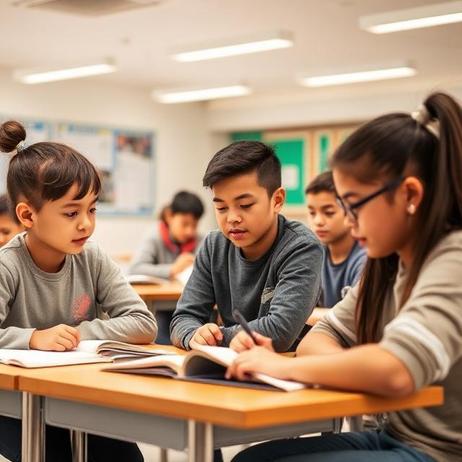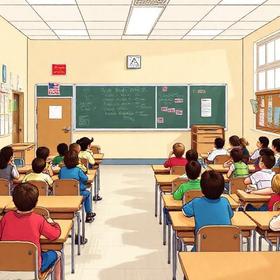

A welcoming public school can shape how students learn, participate, and connect with their community. In 2026, educators are increasingly focused on creating school environments where students feel safe, respected, included, and supported from the moment they walk through the doors.
A school's atmosphere influences far more than first impressions. Welcoming schools often experience stronger student engagement, improved attendance, better parent involvement, and healthier relationships between students and staff. According to the National Center for Education Statistics, positive school climate remains closely connected to academic achievement and student well-being.
While every school community is different, the most welcoming public schools often share several important characteristics.
Positive Relationships Between Students and Staff
One of the strongest indicators of a welcoming school is the quality of relationships between students and adults on campus. Students are more likely to feel comfortable and confident when teachers, counselors, administrators, and support staff consistently show respect, empathy, and encouragement.
Welcoming schools create environments where students feel known as individuals rather than simply names on a roster.
The Role of Support Services in Public Schools: Tutoring, Counseling & More explains how counseling programs, mentoring, and student support systems contribute to stronger emotional well-being and school engagement.
Small Gestures Matter
Many students identify small daily interactions as important parts of feeling welcomed, including:
- Teachers greeting students by name
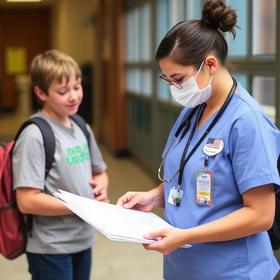
- Staff members checking in regularly
- Administrators being visible in hallways
- Coaches and advisors offering encouragement
- Peer mentoring opportunities
These consistent interactions help students feel valued and connected