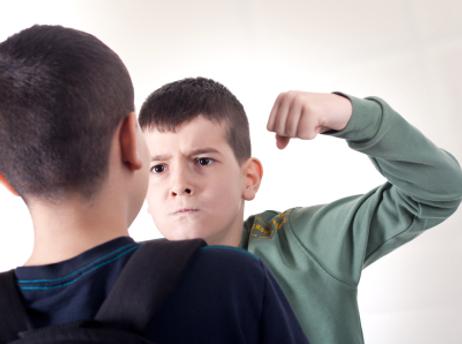
The consequences for school fights may no longer be limited to a visit to the principal’s office and detention. In recent years, concerns about school safety, social media-fueled conflicts, and high-profile incidents of campus violence have led many districts to involve law enforcement more quickly when fights break out.
Over the past several years, schools across the country have reported fluctuations in student behavior following pandemic-related disruptions. Federal data from the National Center for Education Statistics has shown increases in reported physical altercations and disciplinary incidents during the return to in-person learning.
School Fights: The Rising Threat
Public schools nationwide report more severe punishments for school fights and student misbehavior. For example, in some communities, large-scale fights have required significant police presence. According to reports, the police were called to the school after multiple fights broke out among students.
Students involved faced charges such as disorderly conduct and simple affray. In cases where students allegedly assaulted school resource officers or staff members, more serious charges were added.
While students 18 and older are understandably tried as adults, many community members question whether the 16 and 17-year-old students should have been similarly reprimanded, as they are technically minors.
This video discusses how to deal with fighting in school.
School leaders often argue that when large groups are involved, or when weapons or staff injuries are reported, law enforcement involvement is necessary to protect students and faculty. Critics counter that increased policing can contribute to what advocates call the school-to-prison pipeline, where students enter the juvenile justice system for behavior that was once handled administratively. Erupting in the cafeteria of the school, an estimated 1,900 students could have been in the lunchroom at the time of the fights, and police intervention was critical for keeping innocent students safe from danger.
How Young is Too Young for Legal Interventions?
Outside of Wake County, other public schools in the United States have also implemented legal interventions and punishments – often for very young students.
In several states, even middle school students have faced arrest following serious altercations. According to Silverton Police Sergeant Jerry Blaylock, a fight involving four to six students broke out at Mark Twain Middle School, located in Oregon. When the fight erupted after school, police officers broke up the students and ordered the adolescents to go home.
Unfortunately, 45 minutes later, police officers were called back to the scene; not only did the fight continue, but nearby witnesses reported seeing one of the adolescents flash a handgun. While such incidents are rare, the presence of a weapon significantly increases the likelihood of criminal charges.
Historically, school leaders have attempted to regulate student misbehavior through on-campus punishments and parental intervention. However, many fear that today’s violent on-campus outbursts result in unpredictable danger for both other students and faculty members, which explains the rise in police intervention.
This video illustrates the purpose of an intervention program.
In Arizona, a group of students was arrested and charged with aggravated assault after a fight with teachers and staff members, reportedly involving makeshift weapons. Some of the students allegedly used broomsticks as weapons, inflicting injuries on others. Subsequently, the police reacted by arresting and booking all students engaged in the brawl who were 18 years or older. Students under 18 were also arrested and booked; however, these juveniles were sent to the nearby Southeast Juvenile Detention Center, while the adult students were sent directly to the community’s main jail.
Law enforcement officials often defend these actions as necessary to maintain order and protect educators.
The days of simple detention have faded, and today’s public school students may face legal reprimands for misbehavior. Hopefully, this trend will deter teens from engaging in acts of school violence, ultimately creating safer campus environments.
Questions? Contact us on Facebook and Instagram. @publicschoolreview
#SchoolSafety #LegalConsequences #StudentDiscipline #SchoolViolence #JuvenileJustice