
High School Issues

Learn more about issues specific to high school students. Get an overview of high school graduation rates, college readiness, career choice and social issues impacting teenagers in public schools.

View the most popular articles in High School Issues:

Public School Achievement: Are Stimulants a Part of the Equation?

Updated
|
Public School Achievement: Are Stimulants a Part of the Equation?
This article explores the growing trend of high school students using prescription stimulants as study aids. It discusses the types of drugs used, their effects, and the potential risks associated with their misuse. The piece also examines the underlying pressures driving students to seek these performance-enhancing substances.

Public School Achievement: Are Stimulants a Part of the Equation?

Students under pressure to make good grades and keep up with a myriad of extracurricular activities are turning to an unexpected place to get the edge they need to succeed: stimulant drugs. Many high school students across the U.S. are turning to prescription medications typically used to treat ADD and ADHD to increase their energy levels and focus when their physical bodies cannot do it on their own. The increased use of these drugs has many educators and health care providers concerned, but students who have seen their results continue to turn to the medications - and turn their friends onto them as well.

This video looks at the effects of Adderall on study habits.

Driven to Excel

The Herald-Tribune reports that students in high school today face enormous pressure when it comes to competing with their peers for class placements, test scores, and college entrance applications. The medications have been used on college campuses for some time but are slowly trickling down to the high school level as well. Students find that stimulant use gives them the necessary edge to perform at a higher level with less sleep required.

As many as 200 students sent their views on prescription medication abuse to the New York Times, frequently eluding to the fact that pressure to perform – from parents,

. . .read more

Abstinence-Only Education: Does it Work?

Updated
|
Abstinence-Only Education: Does it Work?
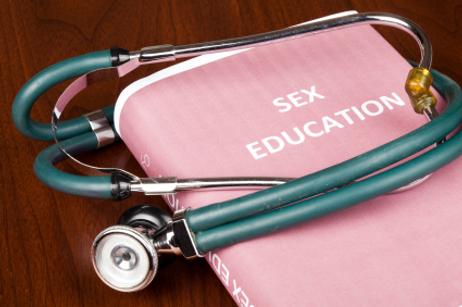
In light of President Obama’s recent backing of abstinence-only education, we take a look at the numbers to see if this type of sex ed teaching really leads to lower pregnancy and STD rates.

With the Obama Administration’s recent addition of an abstinence-only program to the pregnancy prevention programs the government will fund, many are questioning once again whether abstinence teaching is really the best way to prevent teen pregnancy and lower the rates of sexually transmitted diseases. While many conservatives are applauding the President’s recent decision, liberals are voicing serious concern over the direction the Administration is taking in sex education. Who is right? It may depend on who you talk to and which research you review.

Misinformation Common Problem for Young Adults Recent Study Found

According to one recent study published in Perspectives on Sexual and Reproductive Health, the lack of comprehensive sex education in schools does not appear to do young adults any great favor. The study, conducted by the Guttmacher Institute and reported by International Business Times, found that young adults between the ages of 18 and 29 do not appear to have a clear and accurate picture of the importance of contraception use in preventing pregnancy. A quiz was given to 1,800 men and women in this age range, and the results were discouraging, to say the least.

This TED Talk discusses the abstinence of essential information about sex education.

The large majority of young adults who took the quiz scored poorly, with more than one-quarter earning a “D” or “F” grade. In addition, approximately 60 percent of the

. . .read more

Tebow Bill Killed in Congress to Chagrin of Home-Schooled Athletes

Updated
|
Tebow Bill Killed in Congress to Chagrin of Home-Schooled Athletes
The "Tebow" bill would have required public schools to allow home-schooled students to play on school sports teams. The final vote, which was nearly an even split, was considered a shocking upset by those who had followed the progress of this bill.

The state of Virginia will not be requiring public schools to accommodate home-schooled athletes in their sports programs, now that the bill dubbed the “Tim Tebow” bill has been shot down in a congressional vote. The bill was named for the NFL quarterback currently on the roster for the Denver Broncos, who was home-schooled through high school but played on the football team of his local public school. While the vote was close, some republicans and the majority of Democrats in the state agreed that a requirement would be unfair to public schools on both an economic and participation level.

This video reports on the failure of the so-called Tebow bill.

The Impact of the Bill

According to a report at the Washington Post, the “Tim Tebow” bill would have ensured tens of thousands of home-schooled student across the state had the right to participate in athletic programs at local public schools. State officials estimate that around 32,000 students are home schooled in the state, although the Home School Legal Defense Association believes that number to be much higher. There is no way to predict how many of these students would take advantage of athletic programs if they were given the chance.

Currently, 25 states allow for such participation, under a variety of guidelines, according to information provided to the New York Times by the Home School Legal

. . .read more

College Application Requirement for High School Graduation? DC Weighs Possibility

Updated
|
College Application Requirement for High School Graduation? DC Weighs Possibility
The article discusses a proposal in Washington D.C. to make college applications a requirement for high school graduation. It examines the potential benefits and drawbacks of such a policy, including its impact on graduation rates and college attendance. The piece also considers similar initiatives in other states and the debate surrounding this approach
Should a college application be mandatory for high school graduation?

Washington D.C. high schools have one of the lowest graduation rates in the country, standing currently at just 43 percent, according to the Huffington Post. Many efforts have been made to raise that number, but not all have received as much dialogue and debate as a recent proposal made by a DC council member. DC Council Chairman Kwame Brown (D) has proposed a new requirement for high school seniors in the city – that they show concrete evidence of college readiness before donning a graduation cap as they exit the hallowed halls of high school.

Taking Tests, Completing Applications

The Washington Post reports that Brown plans to introduce a bill to the city council that will require high school seniors to show college readiness before they graduate from high school. Under the new bill, students must take the SAT or ACT college entrance examination while still in high school. They will also need to apply to at least one college or trade school before graduation – even if the student has no intention of continuing his education after high school.

This video takes a look at a college admissions committee's deliberations.

The point behind the bill is to encourage students to complete high school by showing them what their opportunities might be after graduation. According to some education experts, taking college entrance exams and showing students and their parents

. . .read more

Yale Pays For College For Public School Grads

Updated
|
Yale Pays For College For Public School Grads
Public school graduates in New Haven can now go to college on Yale’s dime. Learn more about the New Haven Promise that could spark similar programs across the country.

The New Haven public school system, like others across the country, is dealing with a high drop-out rate that leaves many students unable to climb out of their current poverty trap. To help combat the problem in this New England state, Yale University has pledged a large amount of money over the next four years to help high school students in Connecticut go to college without worry over how bills will be paid. Yale has recently announced the New Haven Promise. This new program will allow public high school graduates in Connecticut the opportunity to go to college for free if they qualify for admission and keep their grades up during college.

This video explains how financial aid works at Yale University.

New Haven Promise

New Haven Promise is a scholarship and support program created by the city of New Haven and Yale University. It is designed to reduce the public school drop-out rate by allowing many more New Haven students to attend college.

According to the New Haven Promise website, the organization hopes to accomplish the following:

The organization wants to be the catalyst that reduces not only drop-out rates but poverty, crime, and incarceration rates in New

. . .read more

Recent Articles

Test Article, Image and Content
Test Test Test Test Test Test Test Test Test Test Test Test Test Test Test Test Test Test Test Test Test Test Test Test Test Test Test Test Test Test Test Test Test Test Test Test Test Test Test Test Test Test Test Test Test Test Test Test Test Test Test Test Test Test Test Test Test Test Test Test Test Test Test Test Test Test Test Test Test Test Test Test Test Test Test Test Test Test Test Test Test Test Test Test Test Test Test Test Test Test Test Test Test Test Test Test Test Test Test Test Test Test Test Test Test Test Test Test Test Test Test Test Test Test Test Test Test Test Test Test Test Test Test Test Test Test Test Test Test Test Test Test Test Test Test Test Test Test Test Test Test Test Test Test Test Test Test Test Test Test Test Test Test Test Test Test Test Test Test Test Test Test Test Test Test Test Test Test Test Test Test Test Test Test Test Test Test Test Test Test Test Test Test Test
10 Major Challenges Facing Public Schools in 2026
Explore 10 major challenges facing public schools in 2026, from funding gaps to teacher shortages, with insights for parents and educators.
Overview of the Funding of Public Schools (2026 Guide)
Learn how public schools are funded in 2026, including federal, state, and local sources, and what it means for equity and student outcomes.