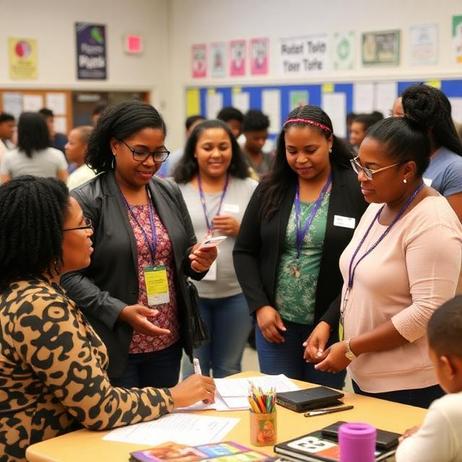
Parental involvement in public schools continues to be one of the strongest predictors of student success. While the core principle remains unchanged, the way families engage with schools has evolved significantly in recent years. In 2026, schools are placing greater emphasis on meaningful partnerships, digital communication, equity-focused outreach, and family participation in decision-making.
As public schools navigate academic recovery efforts, student mental health concerns, school safety initiatives, and rapid technological change, effective family-school collaboration has become more important than ever. Research consistently shows that students benefit when parents remain actively engaged in both school activities and learning at home.
This 2026 update examines the latest trends in parental involvement in public schools, highlights emerging best practices, and offers practical guidance for families and educators.
Why Parental Involvement Still Matters
Decades of educational research demonstrate that parental involvement is associated with:
- Higher academic achievement
- Improved attendance
- Better classroom behavior
- Increased graduation rates
- Stronger social-emotional development
- Greater student motivation
Recent Public School Review coverage on Parental Involvement and Public School Outcomes highlights how family engagement influences not only academic performance but also overall school climate and student well-being.
In 2026, educators increasingly view parents as partners rather than spectators. The most successful schools create structures that encourage ongoing collaboration instead of limiting engagement to occasional conferences or volunteer opportunities.
The State of Parental Involvement in 2026
Several trends are reshaping parental involvement in public schools.
1. Digital Communication Has Become the Norm
Most districts now rely on integrated