
Deprecated: Return type of Phpfastcache\Util\ArrayObject::offsetGet($offset) should either be compatible with ArrayAccess::offsetGet(mixed $offset): mixed, or the #[\ReturnTypeWillChange] attribute should be used to temporarily suppress the notice in /home/devzheng/workspace/psr/vendor/phpfastcache/phpfastcache/lib/Phpfastcache/Util/ArrayObject.php on line 106

Deprecated: Return type of Phpfastcache\Util\ArrayObject::offsetSet($offset, $value) should either be compatible with ArrayAccess::offsetSet(mixed $offset, mixed $value): void, or the #[\ReturnTypeWillChange] attribute should be used to temporarily suppress the notice in /home/devzheng/workspace/psr/vendor/phpfastcache/phpfastcache/lib/Phpfastcache/Util/ArrayObject.php on line 115

Deprecated: Return type of Phpfastcache\Util\ArrayObject::offsetUnset($offset) should either be compatible with ArrayAccess::offsetUnset(mixed $offset): void, or the #[\ReturnTypeWillChange] attribute should be used to temporarily suppress the notice in /home/devzheng/workspace/psr/vendor/phpfastcache/phpfastcache/lib/Phpfastcache/Util/ArrayObject.php on line 130

Deprecated: Return type of Phpfastcache\Util\ArrayObject::current() should either be compatible with Iterator::current(): mixed, or the #[\ReturnTypeWillChange] attribute should be used to temporarily suppress the notice in /home/devzheng/workspace/psr/vendor/phpfastcache/phpfastcache/lib/Phpfastcache/Util/ArrayObject.php on line 48

Deprecated: Return type of Phpfastcache\Util\ArrayObject::next() should either be compatible with Iterator::next(): void, or the #[\ReturnTypeWillChange] attribute should be used to temporarily suppress the notice in /home/devzheng/workspace/psr/vendor/phpfastcache/phpfastcache/lib/Phpfastcache/Util/ArrayObject.php on line 56

Deprecated: Return type of Phpfastcache\Util\ArrayObject::rewind() should either be compatible with Iterator::rewind(): void, or the #[\ReturnTypeWillChange] attribute should be used to temporarily suppress the notice in /home/devzheng/workspace/psr/vendor/phpfastcache/phpfastcache/lib/Phpfastcache/Util/ArrayObject.php on line 80

Deprecated: Return type of Phpfastcache\Drivers\Memcached\Item::jsonSerialize() should either be compatible with JsonSerializable::jsonSerialize(): mixed, or the #[\ReturnTypeWillChange] attribute should be used to temporarily suppress the notice in /home/devzheng/workspace/psr/vendor/phpfastcache/phpfastcache/lib/Phpfastcache/Core/Item/ItemExtendedTrait.php on line 438
Public School Articles - Page 2
Updated
|
Parental Involvement in Public Schools: 2026 Update
Explore the latest 2026 trends, research, and strategies shaping parental involvement in public schools and student success.

Parental involvement in public schools continues to be one of the strongest predictors of student success. While the core principle remains unchanged, the way families engage with schools has evolved significantly in recent years. In 2026, schools are placing greater emphasis on meaningful partnerships, digital communication, equity-focused outreach, and family participation in decision-making.

As public schools navigate academic recovery efforts, student mental health concerns, school safety initiatives, and rapid technological change, effective family-school collaboration has become more important than ever. Research consistently shows that students benefit when parents remain actively engaged in both school activities and learning at home.

This 2026 update examines the latest trends in parental involvement in public schools, highlights emerging best practices, and offers practical guidance for families and educators.

Why Parental Involvement Still Matters

Decades of educational research demonstrate that parental involvement is associated with:

  • Higher academic achievement
  • Improved attendance
  • Better classroom behavior
  • Increased graduation rates
  • Stronger social-emotional development
  • Greater student motivation

Recent Public School Review coverage on Parental Involvement and Public School Outcomes highlights how family engagement influences not only academic performance but also overall school climate and student well-being.

In 2026, educators increasingly view parents as partners rather than spectators. The most successful schools create structures that encourage ongoing collaboration instead of limiting engagement to occasional conferences or volunteer opportunities.

The State of Parental Involvement in 2026

Several trends are reshaping parental involvement in public schools.

1. Digital Communication Has Become the Norm

Most districts now rely on integrated

. . .read more

Are Public Schools Ready for the 21st Century? 2026 Update

Updated
|
Are Public Schools Ready for the 21st Century? 2026 Update
Explore how public schools are adapting to technology, workforce demands, student wellness, and AI in this comprehensive 2026 update.

The question of whether public schools are ready for the 21st century has been debated for decades. In 2026, the conversation is more relevant than ever. Artificial intelligence, rapid workforce changes, mental health challenges, and evolving expectations from families have transformed what students need from their education.

While public schools have made significant progress in areas such as technology integration, personalized learning, and career readiness, challenges remain. Funding disparities, teacher shortages, and uneven access to advanced learning opportunities continue to affect how effectively schools prepare students for the future.

So, are public schools ready for the 21st century in 2026? The answer is increasingly positive, but readiness varies widely across districts and communities.

What Does a 21st-Century Education Look Like?

For many years, academic success was measured primarily through standardized testing and content mastery. Today's employers and higher education institutions increasingly value a broader set of skills, including:

  • Critical thinking
  • Problem-solving
  • Communication
  • Collaboration
  • Digital literacy
  • Adaptability
  • Creativity
  • Civic engagement

According to the World Economic Forum's Future of Jobs research, analytical thinking, resilience, technological literacy, and lifelong learning are among the most important workforce skills for the coming decade.

Modern public schools are increasingly shifting toward instructional models that develop these competencies alongside traditional academic subjects.

Where Public Schools Have Made Significant Progress

Technology Integration Has Become Standard

The pandemic-era acceleration of educational technology permanently changed classroom instruction. Many districts now provide students with devices, cloud-based learning platforms, and digital collaboration tools.

Technology is no longer viewed as

. . .read more

The Role of Guidance Counselors in Public Schools

Updated
|
The Role of Guidance Counselors in Public Schools
Learn how guidance counselors support academic success, college planning, mental health, and career readiness in today's public schools.

Guidance counselors play a critical role in helping students navigate their educational journeys. While many parents associate school counselors primarily with college applications or schedule changes, today's guidance counselors provide a much broader range of services that support students academically, socially, emotionally, and professionally.

As public schools continue addressing increasingly complex student needs in 2026, guidance counselors have become essential members of school support teams. They help students develop academic plans, manage personal challenges, explore career options, and prepare for life after graduation.

According to the American School Counselor Association, comprehensive school counseling programs are designed to support student achievement, well-being, and long-term success.

What Do Guidance Counselors Do?

The role of a guidance counselor extends far beyond helping students choose classes.

Modern school counselors assist students with:

  • Academic planning
  • College and career readiness
  • Social-emotional development
  • Crisis intervention
  • Mental health support
  • Conflict resolution
  • Goal setting
  • Family communication

Their work touches nearly every aspect of a student's educational experience.

Guidance counselors serve students across all grade levels, although their responsibilities may vary depending on whether they work in elementary, middle, or high schools.

Supporting Academic Success

One of the primary responsibilities of guidance counselors is helping students succeed academically.

Counselors work closely with students, teachers, and administrators to identify academic challenges and develop strategies for improvement.

Common academic support services include:

  • Course selection
  • Graduation planning
  • Academic goal setting
  • Monitoring student progress
  • Coordinating interventions
  • Connecting students with tutoring resources

These services help ensure that students stay on track toward graduation and future educational goals.

Helping Students Stay on Track

. . .read more

How Public Schools Support New Teachers

Updated
|
How Public Schools Support New Teachers
Learn how public schools support new teachers through mentoring, coaching, collaboration, professional development, and retention strategies.

Beginning a teaching career is both exciting and challenging. New teachers enter the classroom with subject knowledge, training, and enthusiasm, but the realities of managing a classroom, meeting student needs, communicating with families, and navigating school systems can feel overwhelming during the first few years.

As public schools continue addressing teacher shortages and retention concerns in 2026, supporting new educators has become a major priority. Schools that invest in mentoring, professional development, collaboration, and teacher wellness are often better positioned to retain talented educators and improve student outcomes.

According to the National Center for Education Statistics, teacher turnover remains a significant issue nationwide. Supporting teachers early in their careers can help districts build a stronger and more stable workforce.

Why New Teachers Need Support

The transition from teacher preparation programs to full-time classroom teaching can be difficult.

New educators must quickly learn how to:

  • Manage classroom behavior
  • Plan effective lessons
  • Differentiate instruction
  • Assess student learning
  • Communicate with parents
  • Navigate district expectations
  • Balance competing responsibilities

Even highly prepared teachers benefit from guidance and support during their first years.

Districts facing staffing challenges have increasingly recognized the importance of retention, a topic explored in Teacher Shortage Solutions That Are Working in 2026.

Mentoring Programs

One of the most effective ways public schools support new teachers is through mentoring programs.

Many districts pair beginning teachers with experienced educators who provide guidance throughout the school year. These mentors help new teachers understand school procedures, refine instructional practices, and build confidence.

Mentors often assist with:

  • Classroom management
  • Lesson
. . .read more

What a Typical Day Looks Like for a Public School Teacher

Updated
|
What a Typical Day Looks Like for a Public School Teacher
Explore a typical day in the life of a public school teacher, from lesson planning and instruction to grading, meetings, and student support.

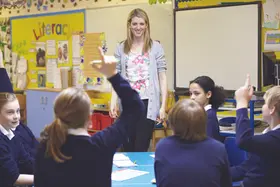
Public school teachers play a vital role in shaping the educational experiences of millions of students each year. While students and parents often see teachers during classroom instruction, much of a teacher’s work happens before the first bell rings and long after students leave for the day.

In 2026, public school teachers continue balancing traditional classroom responsibilities with evolving technology, increased student support needs, and growing expectations from schools and communities. Understanding what a typical day looks like for a public school teacher offers valuable insight into the dedication and effort required to help students succeed academically and personally.

According to the National Center for Education Statistics, public schools enroll tens of millions of students nationwide, making teachers one of the most influential factors in daily student learning.

The Day Starts Before Students Arrive

Most public school teachers arrive at school well before students.

Depending on the district and grade level, teachers often arrive between 6:45 a.m. and 7:30 a.m. This quiet time allows them to prepare for the day ahead and address important tasks before classrooms fill with students.

Morning responsibilities typically include:

  • Reviewing lesson plans
  • Preparing instructional materials
  • Organizing classroom activities
  • Setting up technology
  • Responding to emails
  • Reviewing student data and assignments

Many teachers also use this time to collaborate with colleagues or adjust lessons based on student performance from previous days.

Staffing shortages in many districts have added new demands to teachers’ schedules, a challenge explored in Public School Review’s article on how public schools

. . .read more

Recent Articles

How Public Schools Train Staff Each Year
Learn how public schools train staff each year through professional development, safety training, technology instruction, and ongoing educational support.
What Substitute Teachers Experience in Public Schools
Discover what substitute teachers experience in public schools, including daily responsibilities, challenges, rewards, and their role in student success.
How Teachers Collaborate Across Departments in Public Schools
Learn how teachers collaborate across departments to improve student outcomes, strengthen instruction, and prepare students for real-world success.