Deprecated: Return type of Phpfastcache\Util\ArrayObject::offsetGet($offset) should either be compatible with ArrayAccess::offsetGet(mixed $offset): mixed, or the #[\ReturnTypeWillChange] attribute should be used to temporarily suppress the notice in /home/devzheng/workspace/psr/vendor/phpfastcache/phpfastcache/lib/Phpfastcache/Util/ArrayObject.php on line 106

Deprecated: Return type of Phpfastcache\Util\ArrayObject::offsetSet($offset, $value) should either be compatible with ArrayAccess::offsetSet(mixed $offset, mixed $value): void, or the #[\ReturnTypeWillChange] attribute should be used to temporarily suppress the notice in /home/devzheng/workspace/psr/vendor/phpfastcache/phpfastcache/lib/Phpfastcache/Util/ArrayObject.php on line 115

Deprecated: Return type of Phpfastcache\Util\ArrayObject::offsetUnset($offset) should either be compatible with ArrayAccess::offsetUnset(mixed $offset): void, or the #[\ReturnTypeWillChange] attribute should be used to temporarily suppress the notice in /home/devzheng/workspace/psr/vendor/phpfastcache/phpfastcache/lib/Phpfastcache/Util/ArrayObject.php on line 130

Deprecated: Return type of Phpfastcache\Util\ArrayObject::current() should either be compatible with Iterator::current(): mixed, or the #[\ReturnTypeWillChange] attribute should be used to temporarily suppress the notice in /home/devzheng/workspace/psr/vendor/phpfastcache/phpfastcache/lib/Phpfastcache/Util/ArrayObject.php on line 48

Deprecated: Return type of Phpfastcache\Util\ArrayObject::next() should either be compatible with Iterator::next(): void, or the #[\ReturnTypeWillChange] attribute should be used to temporarily suppress the notice in /home/devzheng/workspace/psr/vendor/phpfastcache/phpfastcache/lib/Phpfastcache/Util/ArrayObject.php on line 56

Deprecated: Return type of Phpfastcache\Util\ArrayObject::rewind() should either be compatible with Iterator::rewind(): void, or the #[\ReturnTypeWillChange] attribute should be used to temporarily suppress the notice in /home/devzheng/workspace/psr/vendor/phpfastcache/phpfastcache/lib/Phpfastcache/Util/ArrayObject.php on line 80

Deprecated: Return type of Phpfastcache\Drivers\Memcached\Item::jsonSerialize() should either be compatible with JsonSerializable::jsonSerialize(): mixed, or the #[\ReturnTypeWillChange] attribute should be used to temporarily suppress the notice in /home/devzheng/workspace/psr/vendor/phpfastcache/phpfastcache/lib/Phpfastcache/Core/Item/ItemExtendedTrait.php on line 438
Teaching

Teaching

How Extracurricular Activities Improve Academic Performance

Updated
|
How Extracurricular Activities Improve Academic Performance
Learn how extracurricular activities support academic performance, student engagement, leadership, and long-term success in public schools.

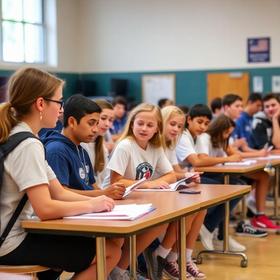
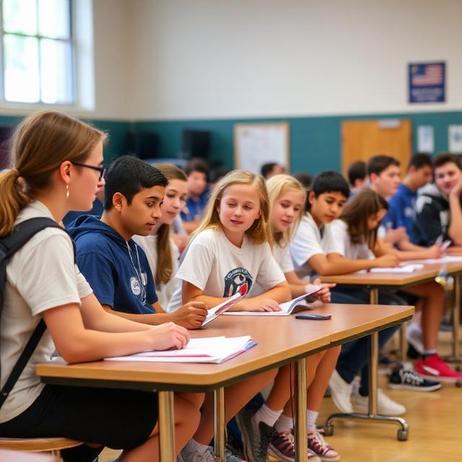
For decades, extracurricular activities were often viewed as optional additions to a student’s education. In 2026, that perspective has shifted significantly. Educators, researchers, and parents increasingly recognize that extracurricular involvement can directly influence academic performance, school engagement, and long-term student success.

From athletics and debate teams to robotics clubs and student government, extracurricular programs help students build skills that extend well beyond the classroom. Public schools across the country are also reevaluating how after-school programs support attendance, graduation rates, mental wellness, and college readiness.

The relationship between extracurricular activities and academic achievement is not always simple, however. Participation can produce meaningful academic benefits when students maintain balance, receive adequate support, and engage in activities aligned with their interests.

What Counts as an Extracurricular Activity?

Extracurricular activities are structured programs that take place outside standard academic coursework. They may occur before school, after school, during weekends, or over the summer.

Common examples include:

  • Sports teams
  • Music and performing arts
  • Debate and academic clubs
  • Student government
  • Volunteer and service organizations
  • STEM clubs and robotics
  • School newspapers and media programs
  • Career and technical student organizations

Many public schools now view extracurricular participation as part of a broader student development strategy rather than simply an enrichment option.

According to the National Center for Education Statistics, extracurricular participation remains strongly associated with positive school outcomes, including attendance and graduation rates.

The Connection Between Extracurricular Activities and Academic Performance

Research consistently shows that students who participate in extracurricular activities often perform

. . .read more

Building a Summer Reading Plan That Keeps Kids Engaged

Updated
|
Building a Summer Reading Plan That Keeps Kids Engaged
Learn how to build a summer reading plan that keeps kids engaged, motivated, and improving literacy skills throughout the break.

A well-designed summer reading plan can prevent academic regression and help students return to school confident and prepared. Research consistently shows that students who do not read over the summer can lose months of academic progress, often referred to as the “summer slide.” According to the National Center for Education Statistics, reading proficiency is closely tied to consistent practice, making summer an essential opportunity rather than a break from learning.

For parents and educators, the challenge is not simply assigning books, it is creating a summer reading plan that keeps kids engaged. The most effective plans combine structure, choice, and creativity, turning reading into an enjoyable habit rather than a chore.

This guide outlines how to build a reading plan that works for students across grade levels, with practical strategies grounded in current 2026 educational insights.

Why a Summer Reading Plan Matters

Summer learning loss remains a significant concern in public education. Studies highlighted by the Brookings Institution show that students can lose up to 20 percent of their school-year reading gains during extended breaks.

However, a thoughtful summer reading plan can reverse this trend. Benefits include:

  • Strengthened reading comprehension and vocabulary

  • Improved focus and independent learning skills

  • Increased confidence at the start of the school year

  • Greater exposure to diverse ideas and perspectives

In 2026, many public schools are also integrating summer reading into year-round literacy strategies, emphasizing student choice and digital accessibility.

Start With Clear, Flexible Goals

A successful summer reading

. . .read more

What It Takes to Run a Public School Day-to-Day

Updated
|
What It Takes to Run a Public School Day-to-Day
Explore what it takes to run a public school daily, from leadership and staffing to budgeting, safety, and student support systems.

Running a public school day-to-day is a complex, coordinated effort that extends far beyond classroom instruction. From managing staff and budgets to ensuring student safety and meeting academic standards, school leaders must balance operational efficiency with educational excellence. Understanding what it takes to run a public school day-to-day provides valuable insight for parents, educators, and community members alike.

In 2026, public schools face increasing demands, including evolving technology, student mental health needs, and accountability measures. Behind every successful school is a structured system of leadership, planning, and collaboration that keeps daily operations running smoothly.

Leadership and Administrative Oversight

At the center of every public school is a leadership team, typically led by a principal and supported by assistant principals and administrative staff.

Their responsibilities include:

  • Setting academic goals and maintaining standards
  • Supervising teachers and staff
  • Managing discipline and school culture
  • Communicating with parents and the community

Principals also ensure compliance with district, state, and federal regulations. According to the U.S. Department of Education, school leaders play a critical role in improving student outcomes and teacher effectiveness.

For a deeper look at leadership structures, Public School Review offers insight into how schools are organized in practice.

Staffing and Human Resource Management

A typical public school employs dozens, sometimes hundreds, of staff members, including:

  • Classroom teachers
  • Special education professionals
  • Counselors and psychologists
  • Administrative personnel
  • Custodial and cafeteria staff

Recruiting, retaining, and supporting qualified teachers remains one of the biggest challenges nationwide. Schools must also manage substitute coverage, professional development, and performance evaluations.

Teacher compensation

. . .read more

What Your Child’s Final Report Card Really Means

Updated
|
What Your Child’s Final Report Card Really Means
Understand what your child’s final report card really means, including grades, comments, and skills that matter for future success.

As the school year ends, families across the country sit down to review one of the most important academic documents their child receives: the final report card. While it may appear straightforward, understanding What Your Child’s Final Report Card Really Means requires more than a quick glance at letter grades or GPA.

Today’s report cards, particularly in public schools, reflect a broader and more nuanced view of student performance than ever before. With the rise of standards-based grading, social-emotional learning indicators, and competency tracking, parents need to interpret multiple layers of information to truly understand how their child is progressing.

This guide breaks down how to read between the lines and use the report card as a meaningful tool for supporting your child’s education.

The Evolution of the Report Card

Report cards have changed significantly over the past decade. While traditional letter grades remain common in many districts, schools are increasingly adopting standards-based models that focus on skill mastery rather than simple averages.

According to the National Center for Education Statistics, many public schools now incorporate multiple indicators of student achievement, including academic skills, behavior, and work habits.

In 2026, several trends are shaping report card design:

  • Increased use of proficiency scales instead of letter grades
  • Greater emphasis on growth over time
  • Integration of digital learning metrics
  • Expanded teacher commentary sections

Understanding these shifts is key to interpreting What Your Child’s Final Report Card Really Means in today’s educational environment.

Breaking Down the Key Components

. . .read more

Spring Parent-Teacher Conferences: Key Questions

Updated
|
Spring Parent-Teacher Conferences: Key Questions
Spring Parent-Teacher Conferences: Questions Every Parent Should Ask to support academic growth, social development, and 2026 classroom goals.

Spring Parent-Teacher Conferences: Questions Every Parent Should Ask

Spring parent-teacher conferences arrive at a pivotal point in the academic year. Unlike fall meetings, which often focus on first impressions and early adjustments, spring conversations center on progress, performance trends, and preparation for the next grade level.

For families navigating competitive academic environments, enrichment pathways, and evolving classroom expectations in 2026, these conferences are more than routine check-ins. They are strategic opportunities to advocate for your child and ensure strong academic momentum heading into summer and beyond.

This guide to Spring Parent-Teacher Conferences: Questions Every Parent Should Ask will help you prepare for a focused, productive conversation that supports both academic achievement and social development.

Why Spring Conferences Matter More Than You Think

By spring, teachers have a full year of data, observations, and insight into your child’s learning habits. Patterns are clear. Strengths are established. Areas of concern are measurable.

According to the National Education Association, effective parent-teacher communication improves student outcomes, attendance, and classroom engagement. Spring conferences are especially valuable because they allow time to intervene before final grades are issued.

In 2026, with many private schools integrating personalized learning platforms, AI-supported assessment tools, and competency-based grading models, parents need clarity not only about grades but also about skills mastery and executive functioning development.

Preparing Before You Walk In

Before attending your conference, take time to review:

  • Recent report cards

. . .read more

Recent Articles

Media Literacy as a Core Skill: How to Tell if a School Teaches It Well
Learn how to evaluate whether a public school teaches media literacy effectively, from fact-checking and source evaluation to digital citizenship and critical thinking.
Screen Time, Paper Learning, and the New Back-to-Basics Debate
Explore why some public schools are reducing screen time, bringing back paper learning, and rethinking the balance between technology and traditional instruction.
Student Data, AI Tools, and Privacy: Questions to Ask Your District
Learn how public schools use AI, protect student data, and the key privacy questions every parent should ask their school district in 2026.