Deprecated: Return type of Phpfastcache\Util\ArrayObject::offsetGet($offset) should either be compatible with ArrayAccess::offsetGet(mixed $offset): mixed, or the #[\ReturnTypeWillChange] attribute should be used to temporarily suppress the notice in /home/devzheng/workspace/psr/vendor/phpfastcache/phpfastcache/lib/Phpfastcache/Util/ArrayObject.php on line 106

Deprecated: Return type of Phpfastcache\Util\ArrayObject::offsetSet($offset, $value) should either be compatible with ArrayAccess::offsetSet(mixed $offset, mixed $value): void, or the #[\ReturnTypeWillChange] attribute should be used to temporarily suppress the notice in /home/devzheng/workspace/psr/vendor/phpfastcache/phpfastcache/lib/Phpfastcache/Util/ArrayObject.php on line 115

Deprecated: Return type of Phpfastcache\Util\ArrayObject::offsetUnset($offset) should either be compatible with ArrayAccess::offsetUnset(mixed $offset): void, or the #[\ReturnTypeWillChange] attribute should be used to temporarily suppress the notice in /home/devzheng/workspace/psr/vendor/phpfastcache/phpfastcache/lib/Phpfastcache/Util/ArrayObject.php on line 130

Deprecated: Return type of Phpfastcache\Util\ArrayObject::current() should either be compatible with Iterator::current(): mixed, or the #[\ReturnTypeWillChange] attribute should be used to temporarily suppress the notice in /home/devzheng/workspace/psr/vendor/phpfastcache/phpfastcache/lib/Phpfastcache/Util/ArrayObject.php on line 48

Deprecated: Return type of Phpfastcache\Util\ArrayObject::next() should either be compatible with Iterator::next(): void, or the #[\ReturnTypeWillChange] attribute should be used to temporarily suppress the notice in /home/devzheng/workspace/psr/vendor/phpfastcache/phpfastcache/lib/Phpfastcache/Util/ArrayObject.php on line 56

Deprecated: Return type of Phpfastcache\Util\ArrayObject::rewind() should either be compatible with Iterator::rewind(): void, or the #[\ReturnTypeWillChange] attribute should be used to temporarily suppress the notice in /home/devzheng/workspace/psr/vendor/phpfastcache/phpfastcache/lib/Phpfastcache/Util/ArrayObject.php on line 80

Deprecated: Return type of Phpfastcache\Drivers\Memcached\Item::jsonSerialize() should either be compatible with JsonSerializable::jsonSerialize(): mixed, or the #[\ReturnTypeWillChange] attribute should be used to temporarily suppress the notice in /home/devzheng/workspace/psr/vendor/phpfastcache/phpfastcache/lib/Phpfastcache/Core/Item/ItemExtendedTrait.php on line 438
Evaluating Public Schools

Evaluating Public Schools

This section provides tools to aid in finding the best public school option for your child. Compare private and public schools, explore school zoning issues, and delve into the public school grading and ranking system. Find information on the safest schools and what they are doing right.

View the most popular articles in Evaluating Public Schools:

How to Choose the Right Summer Program for Academic Growth

Updated
|
How to Choose the Right Summer Program for Academic Growth
Learn how to choose the right summer program for academic and social growth with expert tips, comparisons, and 2026 trends.

Summer programs have evolved far beyond simple enrichment or childcare. In 2026, they represent a critical opportunity for students to strengthen academic skills, explore interests, and build social confidence in structured yet flexible environments. For families navigating a growing number of options, understanding how to choose the right summer program for academic and social growth is essential.

The right program can reinforce classroom learning, foster independence, and help students develop meaningful peer relationships. The wrong one, however, may lead to disengagement or missed opportunities. This guide offers a practical framework to help parents and students make informed, strategic decisions.

Why Summer Programs Matter More Than Ever

Learning loss, often referred to as the “summer slide,” remains a concern, particularly in math and reading. According to the National Center for Education Statistics, students can lose measurable academic progress over extended breaks without structured learning opportunities.

At the same time, social development has become a priority in the wake of increased digital learning and reduced in-person interaction in recent years. High-quality summer programs address both needs by combining academic enrichment with collaborative, real-world experiences.

Key benefits include:

  • Reinforcement of core academic skills
  • Exposure to new subjects and career pathways
  • Development of teamwork and communication skills
  • Increased confidence and independence

Start With Clear Goals

Before reviewing brochures or websites, families should define what they want the program to achieve. Not all summer programs serve the same purpose.

Common Goals to Consider

  • Academic improvement in a specific subject

. . .read more

Should Your Child Attend Summer School? Key Signs

Updated
|
Should Your Child Attend Summer School? Key Signs
Should your child attend summer school? Learn the key signs, benefits, and expert guidance to make the right decision in 2026.

Should Your Child Attend Summer School? Signs to Consider is a question many parents face as the academic year winds down. Summer school is no longer viewed solely as remediation; in 2026, it serves a broader role, offering academic support, enrichment, and even acceleration opportunities for students at all levels.

Understanding whether your child would benefit requires a thoughtful look at academic performance, emotional readiness, and long-term goals. This guide outlines the most important indicators, helping families make informed decisions that support both achievement and well-being.

Understanding the Purpose of Summer School in 2026

Summer learning programs have evolved significantly. Public school districts now offer a range of options, including:

  • Credit recovery courses
  • Skill-building programs in math and reading
  • STEM enrichment camps
  • Social-emotional learning initiatives
  • Hybrid and online summer classes

According to the National Summer Learning Association, high-quality summer programs can help prevent learning loss while also improving confidence and engagement.

In today’s education landscape, summer school is less about “catching up” and more about maintaining momentum or getting ahead.

Key Signs Your Child May Benefit from Summer School

1. Declining or Inconsistent Academic Performance

One of the clearest indicators is a noticeable drop in grades or inconsistent performance across subjects.

Look for patterns such as:

  • Struggles in core subjects like math or reading
  • Difficulty completing assignments independently
  • Frequent test anxiety or poor test results

If your child is at risk of falling behind grade level expectations, summer school can provide targeted instruction in

. . .read more

Competency-Based Education Models in Public Schools

Updated
|
Competency-Based Education Models in Public Schools
Explore how competency-based education models in public schools work, why districts are adopting mastery-based learning, and the benefits and challenges for students and educators.

Competency-based education models in public schools are gaining attention as educators seek new ways to personalize learning and ensure students truly master academic skills. Unlike traditional education systems, where students progress based primarily on time spent in a classroom, competency-based models allow students to advance once they demonstrate mastery of specific knowledge or skills.

Many school districts are exploring new instructional frameworks to address changing academic expectations and workforce demands. As discussed in the Public School Review article on the future of public education in America, educators and policymakers are increasingly examining flexible learning models that emphasize outcomes and measurable skills.

For parents evaluating public school options, understanding competency-based education models in public schools can help clarify how learning, assessment, and student progression may differ from traditional classroom structures.

What Is Competency-Based Education?

Competency-based education focuses on ensuring that students demonstrate mastery of clearly defined learning objectives before moving on to new material. Rather than advancing students based on a semester schedule or school calendar, progress is tied to demonstrated understanding.

In competency-based systems, learning goals are typically transparent and measurable. Students know what skills they are expected to master and how they will demonstrate that mastery.

Common elements of competency-based learning include:

  • Clearly defined academic competencies
  • Flexible pacing that adapts to individual learning needs
  • Frequent feedback and formative assessments
  • Opportunities to revise work until mastery is demonstrated
  • Real-world application of knowledge through projects or presentations

A widely cited explanation of the model appears in the research report “What

. . .read more

The Role of Sports in Public Schools in 2026

Updated
|
The Role of Sports in Public Schools in 2026
Explore the role of sports in public schools in 2026, including academic benefits, student wellness, funding challenges, and evolving athletics programs.

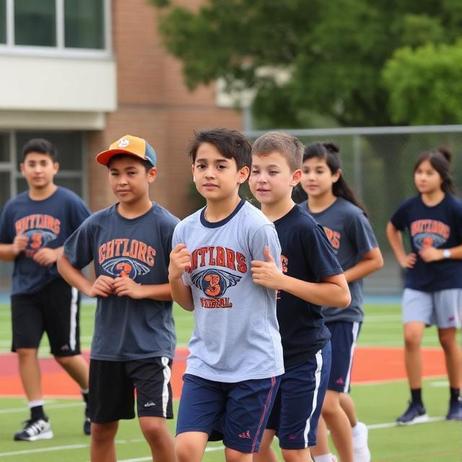
The role of sports in public schools continues to evolve as educators place greater emphasis on student well-being, engagement, and whole-child development. In 2026, athletics programs are no longer viewed simply as extracurricular activities. They are increasingly recognized as an essential component of a balanced education.

Public school sports programs support physical health, teach leadership and teamwork, and help students stay connected to their school communities. As districts address challenges such as student mental health, declining physical activity levels, and academic engagement, athletics programs are playing a larger role in supporting student success.

At the same time, schools must balance expanding athletic opportunities with financial constraints, equity considerations, and changing student interests. Understanding the role of sports in public schools today requires examining both their benefits and the challenges districts face in maintaining strong programs.

Why Sports Remain Essential in Public Schools

Athletics have long been part of American public education, but research continues to reinforce their value. Participation in school sports is linked to improved physical health, stronger social skills, and higher levels of student engagement.

According to the Centers for Disease Control and Prevention, regular physical activity improves concentration, memory, and classroom behavior in children and adolescents. School sports provide a structured environment where students can meet recommended activity levels while developing important life skills.

In 2026, educators increasingly recognize that sports programs contribute to three key areas of student development:

1. Physical health

Sports help

. . .read more

School Safety & Shootings: 2026 Update

Updated
|
School Safety & Shootings: 2026 Update
A 2026 update on school safety and shootings, with data trends, prevention strategies, and guidance for parents and educators.

School Safety & Shootings: 2026 Update

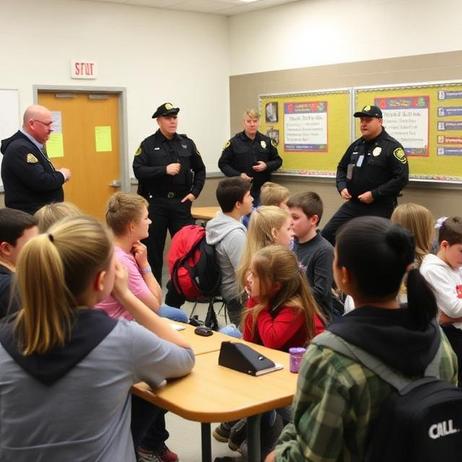
School safety and shootings remain one of the most urgent concerns facing public education in 2026. For families evaluating districts, for educators shaping campus policy, and for administrators managing risk, understanding the latest data and prevention strategies is essential.

Over the past decade, the national conversation has shifted from reactive measures to comprehensive safety systems. While high-profile tragedies continue to capture headlines, long-term improvements in prevention, reporting systems, and school climate initiatives are reshaping how districts approach safety. This 2026 update examines current trends in school safety and shootings, what has changed, and what parents should know when evaluating a public school.

The Current Landscape of School Safety in 2026

National tracking organizations continue to report incidents involving firearms on school campuses each year. Data from the National Center for Education Statistics shows that while school violence remains statistically rare compared to other youth environments, the psychological impact on communities is profound.

The most recent federal school crime indicators highlight several key trends:

  • Firearm-related incidents still represent a small fraction of overall school safety issues.

  • The majority of school disciplinary incidents involve non-lethal altercations.

  • Increased reporting mechanisms have contributed to higher documentation rates.

  • Anonymous tip lines and digital monitoring systems have disrupted multiple planned attacks.

In 2026, the emphasis has shifted toward prevention, early

. . .read more

Recent Articles

Media Literacy as a Core Skill: How to Tell if a School Teaches It Well
Learn how to evaluate whether a public school teaches media literacy effectively, from fact-checking and source evaluation to digital citizenship and critical thinking.
Screen Time, Paper Learning, and the New Back-to-Basics Debate
Explore why some public schools are reducing screen time, bringing back paper learning, and rethinking the balance between technology and traditional instruction.
Student Data, AI Tools, and Privacy: Questions to Ask Your District
Learn how public schools use AI, protect student data, and the key privacy questions every parent should ask their school district in 2026.

Evaluating Public Schools

SCHOOL ZONING
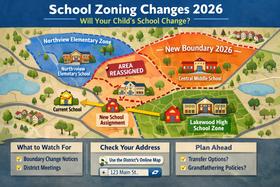
Learn more about zoning rules, how they impact schools and your child. This section offers information on the history of school zones, what they are, and how they work. Get information on who decides school boundaries and the impact those decisions have on the community.
GETTING STARTED
An overview of school designations, best practices for evaluating your options, and tips on choosing the best school for your child. Learn about Blue Ribbon, Vocational and Special Education schools. Get tips on finding the right school in a new neighborhood, city or state.
GRADING AND RANKING SCHOOLS
Explore the public school grading/ranking system, how it works and what it means. Get latest national rankings and read what critics of school grading have to say. Take a look at the nation’s top performing schools as ranked by U.S. News and Newsweek.
PUBLIC SCHOOL SAFETY
A comprehensive look at the safety of US public schools. Learn what schools are doing to combat gangs and drugs, prepare for natural disasters, and protect your children from predators. From web cameras to armed guards, see what tools public schools are employing to keep kids safe.
PUBLIC VS. PRIVATE SCHOOLS
A comparison of public and private schools, the pros and cons of each, and a look at the cost of getting a stellar education at both. Take a look at some of the most expensive schools, notable public school alumni, and learn more about “private” public schools.