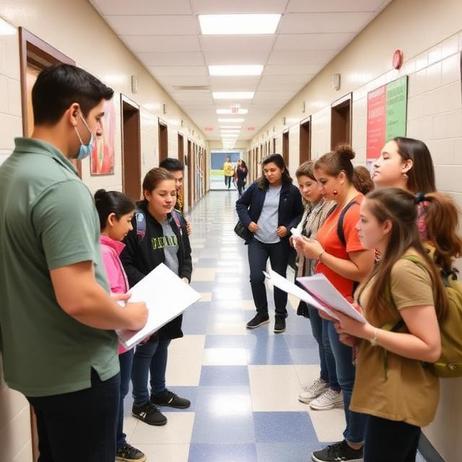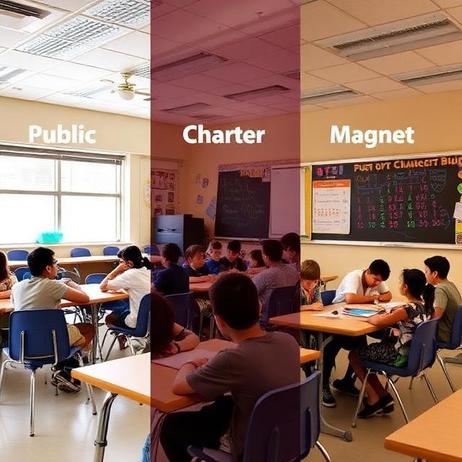
Choosing a public school involves much more than comparing test scores or graduation rates. While academic performance is important, it doesn't always reflect what students experience each day. A school's climate, the overall quality of its learning environment, relationships, and sense of safety, plays a major role in a child's academic success and emotional well-being.
Students who feel welcomed, respected, and supported are more likely to attend school regularly, participate in class, and build positive relationships with teachers and classmates. Conversely, schools with ongoing discipline problems, poor communication, or weak student engagement can make learning more difficult, regardless of their academic reputation.
The good news is that parents can often identify potential school climate issues before enrollment. By combining campus visits with public data, conversations with current families, and careful observation, you can gain a much clearer picture of what daily life is actually like inside a school.
What Is School Climate?
School climate refers to the overall character of a school. It encompasses everything from student behavior and teacher relationships to safety, communication, inclusiveness, and the way problems are handled. Although these qualities can be difficult to measure, they often have a lasting impact on a student's educational experience.
According to the National Center for Education Statistics (NCES), positive school climates are associated with stronger academic achievement, higher attendance rates, and fewer disciplinary issues. Schools that prioritize student well-being often create environments where children are more willing to participate, collaborate, and challenge themselves academically. Parents interested in