Deprecated: Return type of Phpfastcache\Util\ArrayObject::offsetGet($offset) should either be compatible with ArrayAccess::offsetGet(mixed $offset): mixed, or the #[\ReturnTypeWillChange] attribute should be used to temporarily suppress the notice in /home/devzheng/workspace/psr/vendor/phpfastcache/phpfastcache/lib/Phpfastcache/Util/ArrayObject.php on line 106

Deprecated: Return type of Phpfastcache\Util\ArrayObject::offsetSet($offset, $value) should either be compatible with ArrayAccess::offsetSet(mixed $offset, mixed $value): void, or the #[\ReturnTypeWillChange] attribute should be used to temporarily suppress the notice in /home/devzheng/workspace/psr/vendor/phpfastcache/phpfastcache/lib/Phpfastcache/Util/ArrayObject.php on line 115

Deprecated: Return type of Phpfastcache\Util\ArrayObject::offsetUnset($offset) should either be compatible with ArrayAccess::offsetUnset(mixed $offset): void, or the #[\ReturnTypeWillChange] attribute should be used to temporarily suppress the notice in /home/devzheng/workspace/psr/vendor/phpfastcache/phpfastcache/lib/Phpfastcache/Util/ArrayObject.php on line 130

Deprecated: Return type of Phpfastcache\Util\ArrayObject::current() should either be compatible with Iterator::current(): mixed, or the #[\ReturnTypeWillChange] attribute should be used to temporarily suppress the notice in /home/devzheng/workspace/psr/vendor/phpfastcache/phpfastcache/lib/Phpfastcache/Util/ArrayObject.php on line 48

Deprecated: Return type of Phpfastcache\Util\ArrayObject::next() should either be compatible with Iterator::next(): void, or the #[\ReturnTypeWillChange] attribute should be used to temporarily suppress the notice in /home/devzheng/workspace/psr/vendor/phpfastcache/phpfastcache/lib/Phpfastcache/Util/ArrayObject.php on line 56

Deprecated: Return type of Phpfastcache\Util\ArrayObject::rewind() should either be compatible with Iterator::rewind(): void, or the #[\ReturnTypeWillChange] attribute should be used to temporarily suppress the notice in /home/devzheng/workspace/psr/vendor/phpfastcache/phpfastcache/lib/Phpfastcache/Util/ArrayObject.php on line 80

Deprecated: Return type of Phpfastcache\Drivers\Memcached\Item::jsonSerialize() should either be compatible with JsonSerializable::jsonSerialize(): mixed, or the #[\ReturnTypeWillChange] attribute should be used to temporarily suppress the notice in /home/devzheng/workspace/psr/vendor/phpfastcache/phpfastcache/lib/Phpfastcache/Core/Item/ItemExtendedTrait.php on line 438
Teachers’ Secrets to Helping Your Teen Get Organized in School

Teachers’ Secrets to Helping Your Teen Get Organized in School

Updated
|
Teachers’ Secrets to Helping Your Teen Get Organized in School
Learn about strategies and tips you can incorporate to help your teenager be organized and excel in public high school.

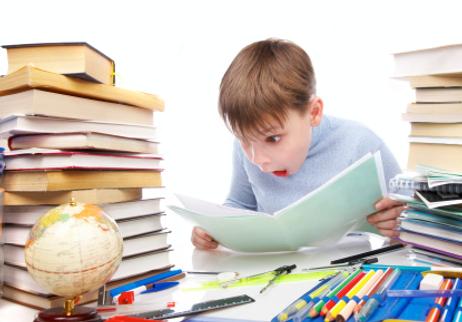
New struggles and challenges must be confronted at each grade level during a child’s academic development. Specifically, in the public high school years, many teens struggle to stay organized, facing difficulty managing their assignments and agendas. The high school years open students to far more freedoms, social opportunities, new technologies, and countless distractions. Subsequently, many teens cannot seem to figure out how to manage all of their obligations.

Being organized is an essential skill that will help your teen as he or she grows into an adult. Research shows that organized students develop habits that will help them perform better in school and in the long term in their professional and adult life. Thankfully, there are several ways parents can continue to guide their teenage children toward greater organization and self-management.

Secrets to Teenage Organization

One of the main reasons many parents struggle to guide their teenage children towards organization is the common teenage desire for freedom from their parents. As teens encounter more privileges and responsibilities, they want to break free from the parental nest.

During this period of unrest and self-discovery, teens quickly feel overwhelmed and disorganized. As teens desire more freedom and self-control, parents are often pushed away as they try to intervene. Despite this power struggle, parents can still offer guidance and support.

Set the Boundaries

First and foremost, if your teen is among the many who desire to assert their independence, you must first set and explain clear boundaries and expectations.

For example, if you are trying to help your teenage son or daughter plan out their schedule and they refuse your assistance, clearly explain the consequences of any missteps. Specifically, if your teen wants to prove that he can manage all his work and sports obligations without your help, clearly explain the consequences if he falls behind on his responsibilities. This consequence can be taking away his computer access for a certain period, requiring your child to write all plans on a family calendar, etc.

If your teens truly feel they can handle the responsibilities, allow them to try. However, be sure you have a backup plan and clear expectations before they head into their daily plans without your guidance.

Set up an Agenda

If your teens struggle or fail to stay organized without your help, then begin to teach them proper organizational habits by requiring that they fill out an agenda or planner each day. Begin by teaching them how to fill their agenda with the most important dates and obligations. List all sports games, practices, recitals, club meetings, and activities your son or daughter must attend. Next, have your son or daughter write down any big events or appointments.

Students should use this same planner for homework as well. To teach your son or daughter how to keep track and monitor his or her classwork assignments, require that your child fills out all homework responsibilities for each class every day. If your son or daughter fails to do this consistently, try emailing his or her teachers. Often, teachers will sign and approve students’ planners and agendas to ensure students write all homework instructions correctly. If your son or daughter fails to meet your homework planning expectations, follow up with a clear consequence for their missteps.

Adding to homework organization, have your son or daughter find out if their teachers post homework and assignment information online. Many teachers are helping students to stay organized and on track by posting all assignments and upcoming announcements to a classroom website. If this is available for your son or daughter, allocate time each day to look at his or her class homework sites together. By doing this regularly, your teen will learn patterns of organization and routine.

Establish Progress Checks

As your teen adheres to the organization's requirements, including keeping a calendar and organizing necessary dates and assignments, monitor your teen’s progress by establishing regular check-ups. Set up a day of the week or a specific time each day to make sure your teenager’s school work, agenda, and other materials are organized as you have explained and required.

Regular progress checks help to hold your teen accountable; similarly, check-ups help teens to stay on track with the established guidelines. As your teen improves his or her organization skills, you can gradually reduce the frequency of your progress checks. You can even begin to “reward” your teen as he or she demonstrates responsibility and organization. For example, after showing a commitment to the organization for an entire semester, you can extend your curfew by 30 minutes on Friday or Saturday evenings.

Helping your child develop organizational skills will not only pay off with a higher GPA but build long-term skills that will help your teenager excel in life.

Questions? Contact us on Facebook. @publicschoolreview

Additional Resources [+]

Frequently Asked Questions

What is a common challenge teens face in high school regarding organization?
Many teens struggle to stay organized in high school due to difficulty managing their assignments and agendas amid new freedoms, social opportunities, and distractions.
How can parents help teens who refuse organizational help?
Parents should set and explain clear boundaries and consequences, such as limiting computer access or requiring use of a family calendar, if teens fall behind on responsibilities.
What strategy is recommended for teens who struggle with keeping track of homework?
Parents should require their teens to fill out an agenda or planner daily with homework assignments, important dates, sports, and activities, and follow up with teachers if homework planning is inconsistent.
Why are regular progress checks important in helping teens get organized?
Regular progress checks hold teens accountable and help them stay on track with their organization guidelines, allowing parents to gradually reduce check–ins as teens improve.
What long–term benefits does developing organizational skills in teens provide?
Developing organizational skills can lead to a higher GPA and build long–term habits that help teenagers excel in school and later in life.

Recent Articles

How Public Schools Train Staff Each Year
Learn how public schools train staff each year through professional development, safety training, technology instruction, and ongoing educational support.
What Substitute Teachers Experience in Public Schools
Discover what substitute teachers experience in public schools, including daily responsibilities, challenges, rewards, and their role in student success.
How Teachers Collaborate Across Departments in Public Schools
Learn how teachers collaborate across departments to improve student outcomes, strengthen instruction, and prepare students for real-world success.

Parenting and Learning Issues

PARENTAL INVOLVEMENT FROM K-12
Learn how direct involvement in your child’s education can impact school performance. Get expert advice on how to get involved, learn why and when you need to talk to a teacher and ways to make changes on campus.
More Articles
Read more articles (50)
Improving Learning (26) Bullying (8) Types of Learning (14) Kindergarten and Elementary Issues (11) High School Issues (43)