For the 2026 school year, there are 2 public schools serving 988 students in 56441, MN.
The top-ranked public schools in 56441, MN are Cuyuna Range Elementary School and Crosby-ironton Secondary. Overall testing rank is based on a school's combined math and reading proficiency test score ranking.
Public schools in zipcode 56441 have an average math proficiency score of 49% (versus the Minnesota public school average of 46%), and reading proficiency score of 58% (versus the 51% statewide average). Schools in 56441, MN have an average ranking of 8/10, which is in the top 30% of Minnesota public schools.
Minority enrollment is 9% of the student body (majority Hispanic), which is less than the Minnesota public school average of 40% (majority Black and Hispanic).
Best 56441, MN Public Schools (2026)
School
(Math and Reading Proficiency)
(Math and Reading Proficiency)
Location
Quick Facts
Rank: #11.
Cuyuna Range Elementary School
(Math: 55% | Reading: 63%)
Rank:
Rank:
9/
Top 20%10
509 6th Ave Ne
Crosby, MN 56441
(218) 545-8803
Crosby, MN 56441
(218) 545-8803
Gr: PK-6 | 533 students Student-teacher ratio: 13:1 Minority enrollment: 8%
Rank: #22.
Crosby-ironton Secondary
(Math: 41% | Reading: 51%)
Rank:
Rank:
5/
Bottom 50%10
711 Poplar St
Crosby, MN 56441
(218) 545-8802
Crosby, MN 56441
(218) 545-8802
Gr: 7-12 | 455 students Student-teacher ratio: 16:1 Minority enrollment: 11%
Frequently Asked Questions
What are the top-ranked public schools in 56441, MN?
The top-ranked public schools in 56441, MN include Cuyuna Range Elementary School and Crosby-ironton Secondary.
How many public schools are located in 56441?
2 public schools are located in 56441.
What is the racial composition of students in 56441?
56441 public schools minority enrollment is 9% of the student body (majority Hispanic), which is less than the Minnesota public schools average of 40% (majority Black and Hispanic).
Recent Articles
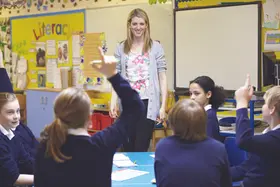
Media Literacy as a Core Skill: How to Tell if a School Teaches It Well
Learn how to evaluate whether a public school teaches media literacy effectively, from fact-checking and source evaluation to digital citizenship and critical thinking.

Screen Time, Paper Learning, and the New Back-to-Basics Debate
Explore why some public schools are reducing screen time, bringing back paper learning, and rethinking the balance between technology and traditional instruction.
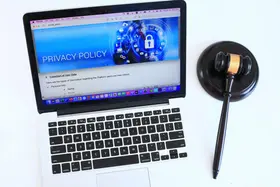
Student Data, AI Tools, and Privacy: Questions to Ask Your District
Learn how public schools use AI, protect student data, and the key privacy questions every parent should ask their school district in 2026.