
Deprecated: Return type of Phpfastcache\Util\ArrayObject::offsetGet($offset) should either be compatible with ArrayAccess::offsetGet(mixed $offset): mixed, or the #[\ReturnTypeWillChange] attribute should be used to temporarily suppress the notice in /home/devzheng/workspace/psr/vendor/phpfastcache/phpfastcache/lib/Phpfastcache/Util/ArrayObject.php on line 106

Deprecated: Return type of Phpfastcache\Util\ArrayObject::offsetSet($offset, $value) should either be compatible with ArrayAccess::offsetSet(mixed $offset, mixed $value): void, or the #[\ReturnTypeWillChange] attribute should be used to temporarily suppress the notice in /home/devzheng/workspace/psr/vendor/phpfastcache/phpfastcache/lib/Phpfastcache/Util/ArrayObject.php on line 115

Deprecated: Return type of Phpfastcache\Util\ArrayObject::offsetUnset($offset) should either be compatible with ArrayAccess::offsetUnset(mixed $offset): void, or the #[\ReturnTypeWillChange] attribute should be used to temporarily suppress the notice in /home/devzheng/workspace/psr/vendor/phpfastcache/phpfastcache/lib/Phpfastcache/Util/ArrayObject.php on line 130

Deprecated: Return type of Phpfastcache\Util\ArrayObject::current() should either be compatible with Iterator::current(): mixed, or the #[\ReturnTypeWillChange] attribute should be used to temporarily suppress the notice in /home/devzheng/workspace/psr/vendor/phpfastcache/phpfastcache/lib/Phpfastcache/Util/ArrayObject.php on line 48

Deprecated: Return type of Phpfastcache\Util\ArrayObject::next() should either be compatible with Iterator::next(): void, or the #[\ReturnTypeWillChange] attribute should be used to temporarily suppress the notice in /home/devzheng/workspace/psr/vendor/phpfastcache/phpfastcache/lib/Phpfastcache/Util/ArrayObject.php on line 56

Deprecated: Return type of Phpfastcache\Util\ArrayObject::rewind() should either be compatible with Iterator::rewind(): void, or the #[\ReturnTypeWillChange] attribute should be used to temporarily suppress the notice in /home/devzheng/workspace/psr/vendor/phpfastcache/phpfastcache/lib/Phpfastcache/Util/ArrayObject.php on line 80

Deprecated: Return type of Phpfastcache\Drivers\Memcached\Item::jsonSerialize() should either be compatible with JsonSerializable::jsonSerialize(): mixed, or the #[\ReturnTypeWillChange] attribute should be used to temporarily suppress the notice in /home/devzheng/workspace/psr/vendor/phpfastcache/phpfastcache/lib/Phpfastcache/Core/Item/ItemExtendedTrait.php on line 438
Public School Safety

Public School Safety

A comprehensive look at the safety of US public schools. Learn what schools are doing to combat gangs and drugs, prepare for natural disasters, and protect your children from predators. From web cameras to armed guards, see what tools public schools are employing to keep kids safe.

View the most popular articles in Public School Safety:

How Schools Recovered from Hurricane Sandy

Updated
|
How Schools Recovered from Hurricane Sandy
There were many challenges facing schools in New York and New Jersey, as they struggled to get ready for students and balance the ongoing need to provide shelter to those displaced by the storm.

The hurricane that ripped through the Northeast October 22 through November 2, 2012, left a trail of destruction that impacted every aspect of the lives of the residents there, including the children. Many students and teachers were left without a school to return to since the storm-ravaged school buildings to the point where they were not considered inhabitable. In addition to the challenges of the storm clean-up, schools that were currently being used as shelters had to find a way to allow students and strangers to live together harmoniously, at least for a short period of time. How did schools recover from unprecedented Hurricane Sandy? Very slowly, in some areas.

This video describes how Storm Sandy evolved.

Challenges Schools Faced

To understand the many challenges facing schools that were in the path of Hurricane Sandy, the Wall Street Journal went inside the thought process of one of New Jersey’s superintendents. Dr. James A. Crisfield, the superintendent of Milburn Township Public Schools, explained to the publication that many factors had to be considered before children could be allowed back into schools, including:

  • Electricity - Many schools were still without power and they could not reopen until electricity was back on.
  • Gasoline – Gasoline shortages across the region made it difficult to get sufficient emergency personnel and school buses running. In addition, faculty and administration were unable to make it to school due to fuel shortages.
  • Damage
. . .read more

Political Attire in Public School: Protected by the Constitution?

Updated
|
Political Attire in Public School: Protected by the Constitution?
Can public school students wear political clothing? Learn what the First Amendment says, how schools balance free speech and order, and what parents should know about student expression in 2026.

Presidential election season is once again in full swing, and yard signs, bumper stickers, campaign buttons, and social media posts all demonstrate Americans' support for their preferred candidates. Political expression remains an important part of civic participation, but as one high school student in Philadelphia discovered, expressing those views at school does not always go as planned. This student got more than she bargained for when she wore a pink Romney-Ryan T-shirt to school. She was publicly humiliated and harassed for her choice, not by fellow students, but by her own teacher.

The Samantha Pawlucy Story

Samantha Pawlucy was a sophomore at Charles Carroll High School in the Philadelphia area. Pawlucy decided to wear her Romney-Ryan T-shirt to class on a "dress-down" day when the shirt fit within the parameters of the school dress code. It was a daring thing to do in a community with one Republican for every six Democrats. However, Pawlucy had no idea just how traumatic the response to her attire would be.

Pawlucy's geometry teacher, Lynette Gaymon, called attention to Pawlucy's shirt during class. According to reports at the time, Gaymon told Pawlucy to remove the shirt. When Pawlucy refused, Gaymon compared wearing the shirt to coming to school wearing a Ku Klux Klan T-shirt. She explained that Charles Carroll High School was a "Democratic" school and then told Pawlucy to leave her classroom.

In this video, an attorney comes down hard on the teacher who was accused of bullying Samantha.

. . .read more

Police Make Hundreds of Arrests at NYC Schools Last Year

Updated
|
Police Make Hundreds of Arrests at NYC Schools Last Year
We examine recently released statistics that show more than 880 NYC students were arrested at public schools last year. Were minority students targeted?

A new report issued by the New York Civil Liberties Union indicates that the NYPD is making an average of around four arrests each day in New York City public schools. In addition, the police wrote around seven summons daily for students with less serious infractions. The report has been met with widespread concern, particularly in light of the fact that the large majority of students arrested were students of color. Is the NYPD exercising too much power in the public schools of the city, or are the police merely doing the job they were hired to do? The answer to that question appears to depend on who is asked.

Hundreds of Arrests on Record

The NYCLU recently released its report after conducting an analysis of police activity in the city’s public schools. The agency took advantage of a new city law to compile their report, which requires documentation and disclosure of school safety information, according to a report at SI Live. The report found that during the 2011-2012 school year, the police made a total of 882 arrests of students while the students were at school, with an additional 1,666 summonses issued.

Around 95 percent of the students arrested were black or Hispanic, despite the fact that students of color only make up around 71 percent of the total student population in the city. Of the minority students arrested, 63 percent were black students. Around 48 percent of the summonses issued were to students

. . .read more

Arming Public School Teachers with Guns: The Controversial Legislation

Updated
|
Arming Public School Teachers with Guns: The Controversial Legislation
Should public school teachers carry guns to keep themselves and students safe? One school district already allows teachers to bring guns on campus, but the issue has triggered heated debate on both sides.

School shootings are tragic occurrences that have become far too common in our culture today by many standards. In light of some of the most recent events involving school shootings in Philadelphia, New Mexico, and Colorado, as well as the mass shooting at Sandy Hook Elementary School in December 2012, some state legislators are considering a new approach to the problem: licenses that allow educators to carry concealed weapons onto campus. The first known school district to institute such a policy was the Harrold Independent School District in Harrold, Texas, but numerous other districts have followed suit in recent years, with other districts considering the possibility rather seriously. We'll take a closer look at the issue of guns in school and some of the districts that are thinking about taking matters into their own hands.

Current Laws

Laws vary from state to state regarding the criteria for purchasing and carrying a gun. Some states do not require a permit to purchase a handgun or long gun, nor do some states require gun owners to register their firearms. And while some states require a permit to carry a concealed weapon, others require no such permit for concealed or open carry weapons. A number of states including Massachusetts, Arizona, Colorado, Maryland, New Jersey, and Connecticut have passed restrictive assault weapons laws in light of the use of such weapons in many of the most recent school

. . .read more

Sex Offenders: Working in Your Local Schools

Updated
|
Sex Offenders: Working in Your Local Schools
Learn how public schools are strengthening hiring practices, background checks, and reporting requirements in 2026 to better protect students from educator sexual misconduct.

A troubling report by the Government Accountability Office (GAO) found that individuals with a history of sexual misconduct were working in some neighborhood schools. Even more concerning, some were able to obtain new teaching or staff positions after behaving inappropriately toward children in other school districts. The report identified numerous breakdowns in hiring practices that allowed these individuals back into schools because of incomplete background checks, poor record sharing, and administrative loopholes.

More than a decade later, the issue remains an important school safety concern. While states have strengthened hiring laws and school districts have improved screening procedures, experts agree that vigilance remains essential. Schools today are expected to conduct far more comprehensive background investigations than they did when the original GAO report was released, but inconsistencies between states and districts still exist.

Parents who want to better understand educator screening practices can also read Public School Review's guide to Should Schools Conduct Background Checks on Teachers?.

The GAO Report

The original report released by the U.S. Government Accountability Office examined 15 case studies involving public schools that employed individuals with troubling histories. According to the investigation, 11 of the employees had previously engaged in inappropriate sexual conduct involving children. In six of those cases, the individuals went on to abuse children again after obtaining employment in another school district.

The report was prepared in response to growing concerns about weaknesses in school hiring practices and followed earlier federal research highlighting educator sexual

. . .read more

Recent Articles

Media Literacy as a Core Skill: How to Tell if a School Teaches It Well
Learn how to evaluate whether a public school teaches media literacy effectively, from fact-checking and source evaluation to digital citizenship and critical thinking.
Screen Time, Paper Learning, and the New Back-to-Basics Debate
Explore why some public schools are reducing screen time, bringing back paper learning, and rethinking the balance between technology and traditional instruction.
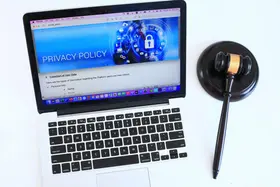
Student Data, AI Tools, and Privacy: Questions to Ask Your District
Learn how public schools use AI, protect student data, and the key privacy questions every parent should ask their school district in 2026.