Deprecated: Return type of Phpfastcache\Util\ArrayObject::offsetGet($offset) should either be compatible with ArrayAccess::offsetGet(mixed $offset): mixed, or the #[\ReturnTypeWillChange] attribute should be used to temporarily suppress the notice in /home/devzheng/workspace/psr/vendor/phpfastcache/phpfastcache/lib/Phpfastcache/Util/ArrayObject.php on line 106

Deprecated: Return type of Phpfastcache\Util\ArrayObject::offsetSet($offset, $value) should either be compatible with ArrayAccess::offsetSet(mixed $offset, mixed $value): void, or the #[\ReturnTypeWillChange] attribute should be used to temporarily suppress the notice in /home/devzheng/workspace/psr/vendor/phpfastcache/phpfastcache/lib/Phpfastcache/Util/ArrayObject.php on line 115

Deprecated: Return type of Phpfastcache\Util\ArrayObject::offsetUnset($offset) should either be compatible with ArrayAccess::offsetUnset(mixed $offset): void, or the #[\ReturnTypeWillChange] attribute should be used to temporarily suppress the notice in /home/devzheng/workspace/psr/vendor/phpfastcache/phpfastcache/lib/Phpfastcache/Util/ArrayObject.php on line 130

Deprecated: Return type of Phpfastcache\Util\ArrayObject::current() should either be compatible with Iterator::current(): mixed, or the #[\ReturnTypeWillChange] attribute should be used to temporarily suppress the notice in /home/devzheng/workspace/psr/vendor/phpfastcache/phpfastcache/lib/Phpfastcache/Util/ArrayObject.php on line 48

Deprecated: Return type of Phpfastcache\Util\ArrayObject::next() should either be compatible with Iterator::next(): void, or the #[\ReturnTypeWillChange] attribute should be used to temporarily suppress the notice in /home/devzheng/workspace/psr/vendor/phpfastcache/phpfastcache/lib/Phpfastcache/Util/ArrayObject.php on line 56

Deprecated: Return type of Phpfastcache\Util\ArrayObject::rewind() should either be compatible with Iterator::rewind(): void, or the #[\ReturnTypeWillChange] attribute should be used to temporarily suppress the notice in /home/devzheng/workspace/psr/vendor/phpfastcache/phpfastcache/lib/Phpfastcache/Util/ArrayObject.php on line 80

Deprecated: Return type of Phpfastcache\Drivers\Memcached\Item::jsonSerialize() should either be compatible with JsonSerializable::jsonSerialize(): mixed, or the #[\ReturnTypeWillChange] attribute should be used to temporarily suppress the notice in /home/devzheng/workspace/psr/vendor/phpfastcache/phpfastcache/lib/Phpfastcache/Core/Item/ItemExtendedTrait.php on line 438
Public School Safety

Public School Safety

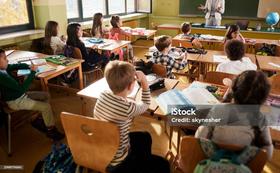
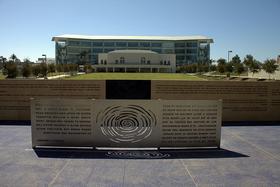
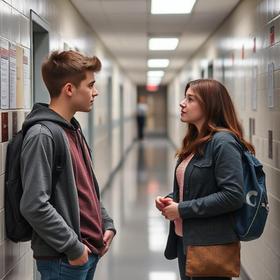
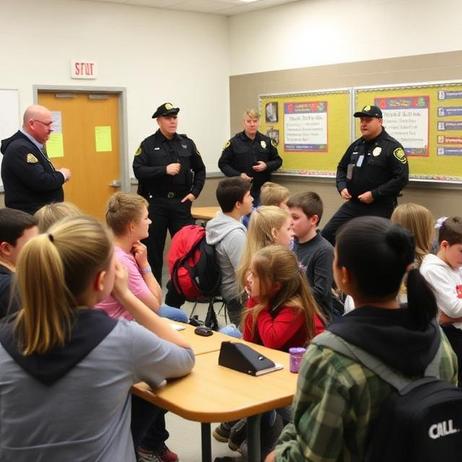
A comprehensive look at the safety of US public schools. Learn what schools are doing to combat gangs and drugs, prepare for natural disasters, and protect your children from predators. From web cameras to armed guards, see what tools public schools are employing to keep kids safe.

View the most popular articles in Public School Safety:

School Safety & Shootings: 2026 Update

Updated
|
School Safety & Shootings: 2026 Update
A 2026 update on school safety and shootings, with data trends, prevention strategies, and guidance for parents and educators.

School Safety & Shootings: 2026 Update

School safety and shootings remain one of the most urgent concerns facing public education in 2026. For families evaluating districts, for educators shaping campus policy, and for administrators managing risk, understanding the latest data and prevention strategies is essential.

Over the past decade, the national conversation has shifted from reactive measures to comprehensive safety systems. While high-profile tragedies continue to capture headlines, long-term improvements in prevention, reporting systems, and school climate initiatives are reshaping how districts approach safety. This 2026 update examines current trends in school safety and shootings, what has changed, and what parents should know when evaluating a public school.

The Current Landscape of School Safety in 2026

National tracking organizations continue to report incidents involving firearms on school campuses each year. Data from the National Center for Education Statistics shows that while school violence remains statistically rare compared to other youth environments, the psychological impact on communities is profound.

The most recent federal school crime indicators highlight several key trends:

  • Firearm-related incidents still represent a small fraction of overall school safety issues.

  • The majority of school disciplinary incidents involve non-lethal altercations.

  • Increased reporting mechanisms have contributed to higher documentation rates.

  • Anonymous tip lines and digital monitoring systems have disrupted multiple planned attacks.

In 2026, the emphasis has shifted toward prevention, early

. . .read more

Special Education Services in Public Schools 2026 Guide

Updated
|
Special Education Services in Public Schools 2026 Guide
A 2026 guide to special education services in public schools, covering IDEA rights, IEPs, 504 plans, evaluations, and parent resources.

Special Education Services in Public Schools: Rights and Resources

Special education services in public schools are a cornerstone of equitable education in the United States. For millions of students with disabilities, these services provide access to individualized instruction, specialized support, and legal protections that ensure meaningful educational progress.

As of 2026, more than 7.5 million students receive special education services under federal law. While the framework is well established, implementation continues to evolve through updated guidance, inclusive practices, and increased attention to mental health and learning recovery.

This updated guide explains how special education services in public schools work, outlines student rights, and provides practical resources for families navigating the process.

The Legal Foundation: IDEA and Section 504

Two primary federal laws govern special education services in public schools:

  • The Individuals with Disabilities Education Act (IDEA)

  • Section 504 of the Rehabilitation Act of 1973

IDEA guarantees eligible students a Free Appropriate Public Education, often referred to as FAPE, in the Least Restrictive Environment. The U.S. Department of Education oversees IDEA implementation nationwide. Families can review the full statute and guidance at theIndividuals with Disabilities Education Act (IDEA).

Section 504, enforced by the U.S. Department of Education’s Office for Civil Rights, protects students with disabilities from discrimination and ensures reasonable accommodations. Guidance is available through theU.S. Department of Education Office for Civil Rights.

While IDEA

. . .read more

The Role of Sports in Public Schools in 2025

Updated
|
The Role of Sports in Public Schools in 2025
How sports in public schools shape learning, health, and community in 2025, with updated data, trends, and expert insights.

The Role of Sports in Public Schools (2025 Update)

Introduction

Sports in public schools remain a cornerstone of American education. They help students build confidence, develop essential life skills, and stay connected to their school communities. In 2025, renewed investment in athletic programs, record participation numbers, and expanding offerings reflect how sports in public schools continue to evolve. This updated analysis includes the latest participation data, demographic changes, and expert perspectives to help parents, educators, and policymakers understand the current landscape.

Rising Participation After the Pandemic Decline

Participation in sports in public schools has reached new highs. According to the most recent report from the National Federation of State High School Associations, more than 8.26 million students played high school sports during the 2024–25 school year. This represents the third consecutive year of growth, adding more than 645,000 participants since 2022.

Girls’ participation has grown especially quickly, with programs such as wrestling, competitive cheer, and flag football seeing double-digit annual increases. Boys’ football, track, basketball, and baseball continue to anchor athletic departments nationwide.

The U.S. Department of Education notes that student involvement in sports in public schools correlates with higher attendance rates and stronger school engagement. These gains reflect not only a return to pre-pandemic normalcy but also an expanded interest in both traditional and emerging sports.
(Authoritative source:ed.gov)

How Program Offerings Are Expanding

Sports in public schools no longer center only on football, basketball,

. . .read more

How Public Schools Support Mental Health in 2025

Updated
|
How Public Schools Support Mental Health in 2025
Explore how U.S. public schools are supporting student mental health in 2025—programs, results, challenges and strategies for educators, parents and policymakers.

How Public Schools Support Mental Health

In recent years, the importance of mental health in the school environment has become a central concern for educators, parents and students alike. This article examines how public schools in the United States are supporting mental health in 2025, what policy advances and program changes have occurred, where gaps remain, and what parents and educators should look for when evaluating how their school is responding. We also link to resources and related coverage, including our own article platform at BoardingSchoolReview.com for schools with residential components.

1. The Context: Growing Needs, New Pressures

The mental health of children and adolescents has been under increasing strain. According to the Centers for Disease Control and Prevention (CDC), during 2022-23 nearly 21 percent of children ages 3-17 had ever been diagnosed with a mental, emotional or behavioural health condition. More specifically, 11 percent of children 3-17 had diagnosed anxiety, 8 percent had behaviour disorders and 4 percent had depression.

In the K-12 education context, the aftermath of the COVID-19 pandemic, increased social media use, academic pressure and broader societal stressors have all heightened the urgency. One recent brief notes that in the 2024-25 school year about 18 percent of students used school-based mental health services and 58 percent of schools reported an increase in students seeking such services. In addition, one study published in July 2025 found that nearly one-third of public schools mandate

. . .read more

What Public Schools Are Doing to Support Mental Health in 2025

Updated
|
What Public Schools Are Doing to Support Mental Health in 2025
An authoritative review of how public schools are expanding mental-health support in 2025 through in-school services, screening, and partnerships for students and families.

What Public Schools Are Doing to Support Mental Health in 2025

As mental health concerns among children and adolescents continue to rise, public schools are playing an increasingly vital role in providing early intervention, support and referrals. In 2025 many public schools are embracing multi-layered strategies to support student wellbeing: embedding prevention efforts, bolstering school-based services, enhancing screening, and engaging families and communities. This article explores current practices, challenges and examples of how public schools are supporting mental health in 2025.

Why mental health support in public schools matters

Public schools are uniquely positioned to address student mental health for several reasons: they act as accessible sites for young people, they can promote social-emotional development within the school environment, and they can coordinate with community mental health resources. Research shows that when students feel connected to their school and supported in their emotional wellbeing, outcomes improve. learningpolicyinstitute.org+2cdc.gov

Yet the need remains high: more than half of students with mental health concerns go without adequate support. Against this backdrop, public schools are increasingly adopting practices to respond to student mental health in 2025.

Key strategies being implemented

Below are four major strategies public schools are using in 2025 to support mental health.

1. Expanding school-based mental health services

One of the most direct approaches is increasing in-school mental health professionals and services. For example, the U.S. federal School‑Based Mental Health Services Grant Program (SBMH) is

. . .read more

Recent Articles

Media Literacy as a Core Skill: How to Tell if a School Teaches It Well
Learn how to evaluate whether a public school teaches media literacy effectively, from fact-checking and source evaluation to digital citizenship and critical thinking.
Screen Time, Paper Learning, and the New Back-to-Basics Debate
Explore why some public schools are reducing screen time, bringing back paper learning, and rethinking the balance between technology and traditional instruction.
Student Data, AI Tools, and Privacy: Questions to Ask Your District
Learn how public schools use AI, protect student data, and the key privacy questions every parent should ask their school district in 2026.