
Deprecated: Return type of Phpfastcache\Util\ArrayObject::offsetGet($offset) should either be compatible with ArrayAccess::offsetGet(mixed $offset): mixed, or the #[\ReturnTypeWillChange] attribute should be used to temporarily suppress the notice in /home/devzheng/workspace/psr/vendor/phpfastcache/phpfastcache/lib/Phpfastcache/Util/ArrayObject.php on line 106

Deprecated: Return type of Phpfastcache\Util\ArrayObject::offsetSet($offset, $value) should either be compatible with ArrayAccess::offsetSet(mixed $offset, mixed $value): void, or the #[\ReturnTypeWillChange] attribute should be used to temporarily suppress the notice in /home/devzheng/workspace/psr/vendor/phpfastcache/phpfastcache/lib/Phpfastcache/Util/ArrayObject.php on line 115

Deprecated: Return type of Phpfastcache\Util\ArrayObject::offsetUnset($offset) should either be compatible with ArrayAccess::offsetUnset(mixed $offset): void, or the #[\ReturnTypeWillChange] attribute should be used to temporarily suppress the notice in /home/devzheng/workspace/psr/vendor/phpfastcache/phpfastcache/lib/Phpfastcache/Util/ArrayObject.php on line 130

Deprecated: Return type of Phpfastcache\Util\ArrayObject::current() should either be compatible with Iterator::current(): mixed, or the #[\ReturnTypeWillChange] attribute should be used to temporarily suppress the notice in /home/devzheng/workspace/psr/vendor/phpfastcache/phpfastcache/lib/Phpfastcache/Util/ArrayObject.php on line 48

Deprecated: Return type of Phpfastcache\Util\ArrayObject::next() should either be compatible with Iterator::next(): void, or the #[\ReturnTypeWillChange] attribute should be used to temporarily suppress the notice in /home/devzheng/workspace/psr/vendor/phpfastcache/phpfastcache/lib/Phpfastcache/Util/ArrayObject.php on line 56

Deprecated: Return type of Phpfastcache\Util\ArrayObject::rewind() should either be compatible with Iterator::rewind(): void, or the #[\ReturnTypeWillChange] attribute should be used to temporarily suppress the notice in /home/devzheng/workspace/psr/vendor/phpfastcache/phpfastcache/lib/Phpfastcache/Util/ArrayObject.php on line 80

Deprecated: Return type of Phpfastcache\Drivers\Memcached\Item::jsonSerialize() should either be compatible with JsonSerializable::jsonSerialize(): mixed, or the #[\ReturnTypeWillChange] attribute should be used to temporarily suppress the notice in /home/devzheng/workspace/psr/vendor/phpfastcache/phpfastcache/lib/Phpfastcache/Core/Item/ItemExtendedTrait.php on line 438
Overview of Public Schools

Overview of Public Schools

A comprehensive look at the U.S. public school system, including history, governing bodies, funding, and services. Compare private, public and charter schools. Learn more about Magnet school programs and get tips on choosing the right school for your child.

View the most popular articles in Overview of Public Schools:

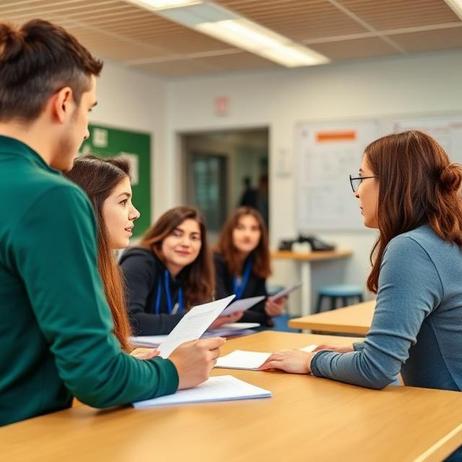
How Public Schools Structure Free Periods or Study Time

Updated
|
How Public Schools Structure Free Periods or Study Time
Learn how public schools structure free periods or study time to support homework, tutoring, enrichment, and student independence.

How public schools structure free periods or study time can significantly affect how students manage homework, prepare for assessments, seek academic help, and build independence. While families often focus on courses, grades, and extracurricular options, the unscheduled or lightly structured parts of the school day also matter.

In many public schools, free periods are no longer treated simply as empty blocks in a student’s schedule. They may function as study halls, advisory periods, intervention blocks, tutoring time, enrichment periods, or supervised independent work sessions. The structure varies by grade level, school size, staffing, and district priorities.

For parents, understanding how these periods work can provide valuable insight into a school’s academic culture and student support system.

Why Free Periods Matter in Public Schools

Free periods give students time to complete assignments, review class material, meet with teachers, organize materials, or simply reset during a demanding school day. In secondary schools, they can be especially important because students often juggle multiple teachers, extracurricular commitments, advanced courses, and part-time responsibilities.

The National Center for Education Statistics provides broad data on U.S. education conditions, including school organization, student participation, and institutional trends. While each district makes its own scheduling decisions, national data helps families understand how school time fits into larger patterns of public education.

A well-designed study period can help students:

  • Complete homework before evening activities
  • Receive teacher or peer support
  • Practice time management
  • Prepare for tests
  • Reduce academic stress
  • Build independent study habits

A poorly designed free period, however, may become

. . .read more

Role of District Offices in School Operations

Updated
|
Role of District Offices in School Operations
Discover how district offices manage daily public school operations, from staffing and budgets to policies and student services.

Public schools rely on far more than principals and teachers to function effectively. Behind every school building is a district office coordinating policies, resources, and daily operations across multiple campuses. Understanding the role of district offices in daily school operations helps parents and educators better appreciate how decisions are made and how support systems function.

In 2026, district offices have become increasingly complex organizations. They are responsible not only for administrative oversight but also for technology integration, compliance, student services, and long-term planning. While their work often happens behind the scenes, district offices play a direct role in shaping the day-to-day experiences of students and staff.

What Is a District Office?

A district office, sometimes called a central office, is the administrative hub for a public school district. It oversees multiple schools and ensures consistency in operations, policies, and educational standards.

District offices are typically led by a superintendent and supported by various departments, including:

  • Human resources
  • Finance and budgeting
  • Curriculum and instruction
  • Transportation
  • Facilities and maintenance
  • Technology services
  • Student support services

While individual schools manage daily classroom activities, district offices provide the structure and resources that make those activities possible.

Coordinating Daily School Operations

One of the most important roles of district offices is coordinating the daily functions that keep schools running smoothly.

Staffing and Human Resources

District offices manage hiring, training, and retention for teachers, administrators, and support staff. This includes:

  • Recruiting qualified educators
  • Ensuring certification and compliance
  • Managing payroll and benefits
  • Addressing staffing shortages

In recent years, staffing has become a major challenge. District

. . .read more

Public Schools in a Minute: 2026 Snapshot Guide

Updated
|
Public Schools in a Minute: 2026 Snapshot Guide
A clear 2026 snapshot of public schools in the U.S., including enrollment, funding, trends, and what families should know.

Public schools in a minute, that is the goal of this guide. For parents and students navigating today’s education landscape, having a clear, concise understanding of public education is more important than ever. While the system is vast and complex, a few key data points and trends can quickly bring the big picture into focus.

In 2026, public schools will continue to serve as the backbone of American education, educating the overwhelming majority of K–12 students. Yet they are also evolving in response to demographic shifts, funding challenges, technology integration, and growing school choice options.

This updated snapshot offers a fast, fact-based overview of public schools today, along with deeper context to help families make informed decisions.

What Are Public Schools?

Public schools are taxpayer-funded institutions operated by local school districts and governed by state and federal guidelines. They are free to attend and open to all students within a designated geographic area.

Key characteristics include:

  • Funded primarily through state and local taxes

  • Required to follow state curriculum standards

  • Staffed by certified teachers

  • Accountable through standardized testing and public reporting

For a closer look at how public education compares to other options, see Public School vs Private School: Key Differences.

Public Schools by the Numbers (2026 Update)

Here is a quick “in a minute” statistical snapshot of public schools in the United States:

Category

2026 Estimate

Total public schools

~98,000

Total students enrolled

~49 million

Average class size

20–25 students

High school graduation rate

~87%

Students eligible for free/reduced lunch

~52%

According to the National

. . .read more

Transitioning to High School: A Family Guide

Updated
|
Transitioning to High School: A Family Guide
Learn how to prepare for high school with practical tips for families before freshman year, from academics to social readiness.

Transitioning to high school is one of the most significant academic and social milestones in a student’s life. The shift from middle school to a larger, more complex environment brings new expectations, greater independence, and increased academic pressure. For families, thoughtful preparation before freshman year can make the difference between a stressful adjustment and a confident start.

This guide outlines what families should do before freshman year to ensure a smooth and successful transition to high school, with practical strategies grounded in current 2026 educational trends.

Why Transitioning to High School Matters More Than Ever

High school today is not just about earning a diploma. It is the foundation for college admissions, career exploration, and personal development. According to the National Center for Education Statistics, ninth grade performance remains one of the strongest predictors of high school graduation.

In 2026, the stakes are even higher due to:

  • Increased emphasis on GPA from the first semester
  • Expanded access to dual enrollment and career pathways
  • Greater use of digital platforms for coursework and communication
  • Rising awareness of student mental health and well-being

Preparing early helps students build confidence, avoid common pitfalls, and take advantage of opportunities from day one.

Understanding the Academic Shift

The academic expectations in high school differ significantly from middle school. Coursework becomes more rigorous, and students are expected to manage their time independently.

Key Differences Families Should Know

Middle School High School
Structured schedules Flexible, varied schedules
Frequent reminders Greater personal responsibility
General coursework Specialized subjects and electives
Lower GPA impact GPA
. . .read more

Why Public Schools Are Launching Marketing Campaigns in 2026

Updated
|
Why Public Schools Are Launching Marketing Campaigns in 2026
Discover why public schools are launching marketing campaigns in 2026 and how enrollment shifts, school choice, and funding pressures are driving change.

Why Public Schools Are Launching Marketing Campaigns

Public schools have traditionally relied on neighborhood boundaries and long-standing reputations to sustain enrollment. Today, that assumption no longer holds true. Across the country, districts are investing in branding, digital outreach, social media advertising, and community engagement strategies.

Why are public schools launching marketing campaigns? The answer lies in a combination of enrollment declines, increased school choice options, funding pressures, and a changing information landscape that has reshaped how families select schools.

In 2026, marketing is no longer viewed as optional or unconventional in public education. It is increasingly considered a strategic necessity.

Enrollment Declines and Funding Pressures

Public school funding is typically tied to enrollment. When student numbers drop, budgets follow.

According to data from the National Center for Education Statistics, public school enrollment has declined in many states since 2020, with some districts experiencing sustained losses through 2025 and into 2026. Contributing factors include:

  • Lower birth rates

  • Post-pandemic migration patterns

  • Growth of homeschooling

  • Expansion of charter schools and private school scholarships

  • Increased use of education savings accounts

Many districts have faced difficult choices, including school consolidations and staff reductions. As a result, superintendents are shifting from passive enrollment models to proactive outreach efforts.

In communities where open enrollment policies allow

. . .read more

Recent Articles

Media Literacy as a Core Skill: How to Tell if a School Teaches It Well
Learn how to evaluate whether a public school teaches media literacy effectively, from fact-checking and source evaluation to digital citizenship and critical thinking.
Screen Time, Paper Learning, and the New Back-to-Basics Debate
Explore why some public schools are reducing screen time, bringing back paper learning, and rethinking the balance between technology and traditional instruction.
Student Data, AI Tools, and Privacy: Questions to Ask Your District
Learn how public schools use AI, protect student data, and the key privacy questions every parent should ask their school district in 2026.