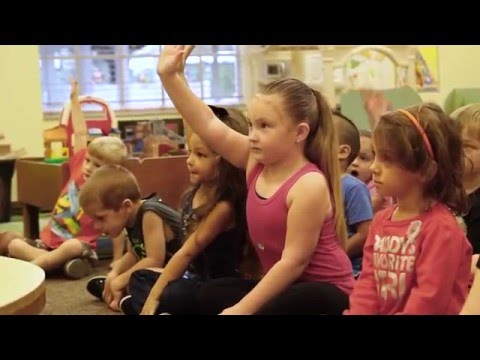
Voluntary Pre-kindergarten serves 17 students in grades Prekindergarten.
Minority enrollment is 30% of the student body (majority American Indian), which is lower than the Minnesota state average of 40% (majority Black).
Quick Facts (2026)
- Grades: Prekindergarten
- Enrollment: 17 students
- Minority Enrollment: 30%
- Source: National Center for Education Statistics (NCES), MN Dept. of Education
School Overview
Voluntary Pre-kindergarten's student population of 17 students has stayed relatively flat over five school years.
Grades Offered
Grades Prekindergarten
Total Students
17 students
School Rankings
The diversity score of Voluntary Pre-kindergarten is 0.47, which is less than the diversity score at state average of 0.60. The school's diversity has stayed relatively flat over five school years.
American Indian
12%
2%
White
70%
60%
Two or more races
18%
7%
All Ethnic Groups
Eligible for Free Lunch
41%
34%
Eligible for Reduced Lunch
6%
7%
School Statewide Testing
School District Name
Source: National Center for Education Statistics (NCES), MN Dept. of Education
Profile last updated: 05/06/2026
Frequently Asked Questions
How many students attend Voluntary Pre-kindergarten?
17 students attend Voluntary Pre-kindergarten.
What is the racial composition of the student body?
70% of Voluntary Pre-kindergarten students are White, 18% of students are Two or more races, and 12% of students are American Indian.
What grades does Voluntary Pre-kindergarten offer ?
Voluntary Pre-kindergarten offers enrollment in grades Prekindergarten
What school district is Voluntary Pre-kindergarten part of?
Voluntary Pre-kindergarten is part of Detroit Lakes Public School District.
School Reviews
Review Voluntary Pre-kindergarten. Reviews should be a few sentences in length. Please include any comments on:
- Quality of academic programs, teachers, and facilities
- Availability of music, art, sports and other extracurricular activities
Recent Articles
Media Literacy as a Core Skill: How to Tell if a School Teaches It Well
Learn how to evaluate whether a public school teaches media literacy effectively, from fact-checking and source evaluation to digital citizenship and critical thinking.

Screen Time, Paper Learning, and the New Back-to-Basics Debate
Explore why some public schools are reducing screen time, bringing back paper learning, and rethinking the balance between technology and traditional instruction.

Student Data, AI Tools, and Privacy: Questions to Ask Your District
Learn how public schools use AI, protect student data, and the key privacy questions every parent should ask their school district in 2026.