Onward Transition Program serves 11 students in grades 12.
Minority enrollment is 9% of the student body (majority Black), which is lower than the Minnesota state average of 40% (majority Black).
Quick Facts (2026)
- School Type: Special education school
- Grades: 12
- Enrollment: 11 students
- Minority Enrollment: 9%
- Source: National Center for Education Statistics (NCES), MN Dept. of Education
Top Rankings
Onward Transition Program ranks among the top 20% of public schools in Minnesota for:
Category
Attribute
Community Size
School Overview
Onward Transition Program's student population of 11 students has grown by 22% over five school years.
School Type
Grades Offered
Grades 12
(No virtual instruction)
(No virtual instruction)
Total Students
11 students
School Rankings
The diversity score of Onward Transition Program is 0.17, which is less than the diversity score at state average of 0.60. The school's diversity has stayed relatively flat over five school years.
Black
9%
12%
White
91%
60%
All Ethnic Groups
Eligible for Free Lunch
55%
34%
School Statewide Testing
School District Name
Source: National Center for Education Statistics (NCES), MN Dept. of Education
Frequently Asked Questions
How many students attend Onward Transition Program?
11 students attend Onward Transition Program.
What is the racial composition of the student body?
91% of Onward Transition Program students are White, and 9% of students are Black.
What grades does Onward Transition Program offer ?
Onward Transition Program offers enrollment in grades 12 (No virtual instruction).
What school district is Onward Transition Program part of?
Onward Transition Program is part of Princeton Public School District.
School Reviews
Review Onward Transition Program. Reviews should be a few sentences in length. Please include any comments on:
- Quality of academic programs, teachers, and facilities
- Availability of music, art, sports and other extracurricular activities
Recent Articles
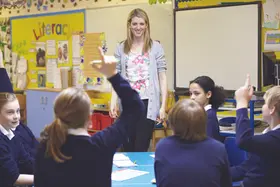
Media Literacy as a Core Skill: How to Tell if a School Teaches It Well
Learn how to evaluate whether a public school teaches media literacy effectively, from fact-checking and source evaluation to digital citizenship and critical thinking.

Screen Time, Paper Learning, and the New Back-to-Basics Debate
Explore why some public schools are reducing screen time, bringing back paper learning, and rethinking the balance between technology and traditional instruction.
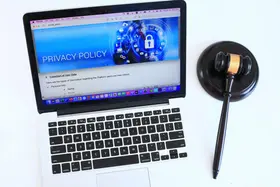
Student Data, AI Tools, and Privacy: Questions to Ask Your District
Learn how public schools use AI, protect student data, and the key privacy questions every parent should ask their school district in 2026.