Deprecated: Return type of Phpfastcache\Util\ArrayObject::offsetGet($offset) should either be compatible with ArrayAccess::offsetGet(mixed $offset): mixed, or the #[\ReturnTypeWillChange] attribute should be used to temporarily suppress the notice in /home/devzheng/workspace/psr/vendor/phpfastcache/phpfastcache/lib/Phpfastcache/Util/ArrayObject.php on line 106

Deprecated: Return type of Phpfastcache\Util\ArrayObject::offsetSet($offset, $value) should either be compatible with ArrayAccess::offsetSet(mixed $offset, mixed $value): void, or the #[\ReturnTypeWillChange] attribute should be used to temporarily suppress the notice in /home/devzheng/workspace/psr/vendor/phpfastcache/phpfastcache/lib/Phpfastcache/Util/ArrayObject.php on line 115

Deprecated: Return type of Phpfastcache\Util\ArrayObject::offsetUnset($offset) should either be compatible with ArrayAccess::offsetUnset(mixed $offset): void, or the #[\ReturnTypeWillChange] attribute should be used to temporarily suppress the notice in /home/devzheng/workspace/psr/vendor/phpfastcache/phpfastcache/lib/Phpfastcache/Util/ArrayObject.php on line 130

Deprecated: Return type of Phpfastcache\Util\ArrayObject::current() should either be compatible with Iterator::current(): mixed, or the #[\ReturnTypeWillChange] attribute should be used to temporarily suppress the notice in /home/devzheng/workspace/psr/vendor/phpfastcache/phpfastcache/lib/Phpfastcache/Util/ArrayObject.php on line 48

Deprecated: Return type of Phpfastcache\Util\ArrayObject::next() should either be compatible with Iterator::next(): void, or the #[\ReturnTypeWillChange] attribute should be used to temporarily suppress the notice in /home/devzheng/workspace/psr/vendor/phpfastcache/phpfastcache/lib/Phpfastcache/Util/ArrayObject.php on line 56

Deprecated: Return type of Phpfastcache\Util\ArrayObject::rewind() should either be compatible with Iterator::rewind(): void, or the #[\ReturnTypeWillChange] attribute should be used to temporarily suppress the notice in /home/devzheng/workspace/psr/vendor/phpfastcache/phpfastcache/lib/Phpfastcache/Util/ArrayObject.php on line 80

Deprecated: Return type of Phpfastcache\Drivers\Memcached\Item::jsonSerialize() should either be compatible with JsonSerializable::jsonSerialize(): mixed, or the #[\ReturnTypeWillChange] attribute should be used to temporarily suppress the notice in /home/devzheng/workspace/psr/vendor/phpfastcache/phpfastcache/lib/Phpfastcache/Core/Item/ItemExtendedTrait.php on line 438
School Controversies

School Controversies

The most controversial issues impacting public school students today. From bullying to book bans, this is a comprehensive look at some of the most oft-debated issues. This section features articles on school segregation, religion, over-crowding, civil rights, and green technology.

View the most popular articles in School Controversies:

Student Data, AI Tools, and Privacy: Questions to Ask Your District

Updated
|
Student Data, AI Tools, and Privacy: Questions to Ask Your District
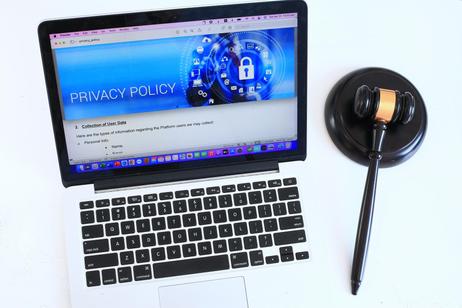
Learn how public schools use AI, protect student data, and the key privacy questions every parent should ask their school district in 2026.

Artificial intelligence is transforming classrooms across the United States. Public school districts are increasingly adopting AI-powered learning platforms, writing assistants, tutoring systems, attendance tools, and administrative software to personalize instruction and improve operational efficiency. While these technologies offer exciting educational opportunities, they also introduce important questions about student privacy, data security, and responsible technology use.

Parents no longer need to ask whether their child's school uses AI. Instead, the more important question is how these tools collect, store, and protect student information. As districts continue integrating new technologies into daily instruction, transparency and accountability have become essential components of maintaining trust with families.

Schools have long collected student information to support instruction, but AI systems often process significantly more data than traditional educational software. Understanding how districts manage this information empowers parents to make informed decisions and advocate for stronger privacy protections.

Families interested in the broader conversation around digital security in schools may also find value in reading Public School Cybersecurity: Ransomware Risks & Student Data Protection, which explores the growing cybersecurity challenges facing school districts.

Why Student Data Privacy Matters

Educational technology depends on data to function effectively. Learning management systems, adaptive learning platforms, assessment software, and AI-powered tutoring tools analyze student performance to provide personalized instruction and identify areas where additional support may be needed.

Depending on the platform, schools may collect information such as:

  • Student names and identification numbers
  • Attendance records
  • Assignment submissions
  • Assessment scores
  • Classroom participation
  • Learning progress over time
  • Teacher feedback
  • Device and application usage

When AI

. . .read more

Phone Bans Are Expanding: Will They Actually Help Your Child?

Updated
|
Phone Bans Are Expanding: Will They Actually Help Your Child?
Phone bans are spreading in public schools nationwide. Learn how to evaluate whether a school's cellphone policy will improve your child's learning and well-being.

Cellphones have become one of the most debated issues in American education.

Over the past two years, a growing number of states, school districts, and individual schools have adopted restrictions on student phone use during the school day. Some schools require students to place phones in locked pouches. Others prohibit phones entirely during instructional hours. A few districts have gone even further, implementing bell-to-bell bans that prevent students from accessing devices throughout the entire school day.

Supporters argue that these policies reduce distractions, improve academic performance, and help students engage more fully with their peers and teachers. Critics counter that phones provide important communication tools, can support learning when used appropriately, and may be necessary during emergencies.

For parents, the question is not simply whether phone bans are good or bad. The more important question is whether a particular policy is likely to help their child.

As more schools implement restrictions, families should understand what separates an effective cellphone policy from one that may create unintended challenges.

Why Schools Are Restricting Phones

The push for stricter cellphone policies has gained momentum as educators report increasing concerns about classroom distractions, social media use, cyberbullying, and student mental health.

Teachers frequently describe spending valuable instructional time redirecting students who are texting, scrolling social media, or watching videos during lessons. Even when phones remain unused, researchers have found that simply having a smartphone within reach can reduce attention and concentration.

Many school leaders believe that limiting access to phones creates an

. . .read more

Public School Boundaries & Equity in 2025

Updated
|
Public School Boundaries & Equity in 2025
How 2025 boundary policies affect equity in U.S. public schools — updated insights, challenges, and strategies for fairer access.

Public School Boundaries and Equity in 2025

Public school boundaries are far more than administrative lines—they are powerful levers that shape who gets access to quality education, which communities benefit or suffer, and how equitable opportunities will be in the decade ahead. In 2025, as districts across the United States grapple with demographic shifts, funding challenges, and rising scrutiny of equity, the way boundaries are drawn and redrawn is under renewed attention.

This article retains the original framework—defining boundaries, exploring their impact, reviewing trends and challenges, and proposing strategies—but updates data, policies, and real‐world examples through a 2025 lens.

What Are Public School Boundaries?

Public school boundaries, also known as attendance zones or enrollment zones, are the geographic lines drawn by school districts that determine which public school a student will attend based on their address. They serve multiple functions:

  • Assign students to schools to manage enrollment and capacity

  • Reflect district priorities in transportation, community cohesion, and resource allocation

  • Implicitly influence demographics, socioeconomic balance, and access to programs

In practice, boundaries act as gatekeepers: who can walk, who must bus, and which students gain access to high-performing schools or specialized programs.

How School Districts Draw Boundaries—and Why That Matters

Districts typically use a mix of factors when establishing or adjusting boundaries:

  1. Population density and growth projections —

. . .read more

School Safety & Shootings: 2025 Update

Updated
|
School Safety & Shootings: 2025 Update
A 2025 update on school safety and shootings, featuring recent data, prevention strategies, and expert perspectives to guide parents and educators.

School Safety: Shootings

Introduction
School safety remains a vital concern for families and educators alike. This article updates the original discussion with the latest 2025 data on school shootings, evolving prevention strategies, and practical insights for safer school communities.

Current Landscape:

Numbers and Trends (2025 Data)

  • According to Education Week, as of September 2, 2025, there have been 8 shootings on K–12 school property resulting in injuries or deaths—leading to 37 people killed or injured, including 4 student deaths. (Education Week)

  • Broader definitions of gun-related incidents on school grounds report as many as 146 incidents nationally in 2025. (Al Jazeera)

  • The Minneapolis Annunciation Catholic School shooting on August 27, 2025, left two children dead and 21 others injured, and is now part of a growing pattern of violence. (The Guardian, Wikipedia)

  • Everytown for Gun Safety has noted this marks the 140th shooting at U.S. elementary or secondary schools this year. (The Guardian)

These figures underscore a troubling reality: while catastrophic events grab headlines, less visible incidents still pose significant risks across U.S. schools.

Historical Context & Exposure Trends

  • A KFF analysis of Washington Post data finds that student exposure to school shootings has nearly tripled, from 19 per 100,000 students (1999–2004) to 51 per 100,000 (2020–2024).

. . .read more

Should Schools Screen for Childhood Trauma?

Updated
|
Should Schools Screen for Childhood Trauma?
Childhood experiences shape who we become as adults, for good and bad. The new Surgeon General of California is pushing for childhood trauma screening in students in the hopes of resolving some of the issues that might later lead to the development of physical and mental health problems.

Childhood experiences shape who we become as adults, for good and bad. The new Surgeon General of California is pushing for childhood trauma screening in students in the hopes of resolving some of the issues that might later lead to the development of physical and mental health problems.

The new Surgeon General of California is working to implement an unprecedented plan to implement universal screenings for childhood trauma in children benefiting from the state’s Medicaid program.

Dr. Nadine Burke Harris, the first person to hold the newly developed role of Surgeon General of California, is a pediatrician known for studying the harmful effects of adverse childhood experiences and toxic stress. The goal of the program is to identify children living with untreated childhood trauma so they can get the help they need and prevent harmful health effects from developing later in life.

Though Harris has already taken several steps toward implementing this plan, there are those who question its cost. Read on to learn more about the program and to explore the subject of childhood trauma in greater depth.

What Constitutes Childhood Trauma?

According to the American Psychological Association (APA), a traumatic event is one that threatens injury, death, or the physical integrity of self or others and also causes horror, terror, or helplessness at the time it occurs. Examples may include sexual abuse, physical abuse, school or community violence, domestic violence, accidents, medical trauma, national or manmade disasters, and traumatic loss.

The

. . .read more

Recent Articles

Media Literacy as a Core Skill: How to Tell if a School Teaches It Well
Learn how to evaluate whether a public school teaches media literacy effectively, from fact-checking and source evaluation to digital citizenship and critical thinking.
Screen Time, Paper Learning, and the New Back-to-Basics Debate
Explore why some public schools are reducing screen time, bringing back paper learning, and rethinking the balance between technology and traditional instruction.
Student Data, AI Tools, and Privacy: Questions to Ask Your District
Learn how public schools use AI, protect student data, and the key privacy questions every parent should ask their school district in 2026.