
Deprecated: Return type of Phpfastcache\Util\ArrayObject::offsetGet($offset) should either be compatible with ArrayAccess::offsetGet(mixed $offset): mixed, or the #[\ReturnTypeWillChange] attribute should be used to temporarily suppress the notice in /home/devzheng/workspace/psr/vendor/phpfastcache/phpfastcache/lib/Phpfastcache/Util/ArrayObject.php on line 106

Deprecated: Return type of Phpfastcache\Util\ArrayObject::offsetSet($offset, $value) should either be compatible with ArrayAccess::offsetSet(mixed $offset, mixed $value): void, or the #[\ReturnTypeWillChange] attribute should be used to temporarily suppress the notice in /home/devzheng/workspace/psr/vendor/phpfastcache/phpfastcache/lib/Phpfastcache/Util/ArrayObject.php on line 115

Deprecated: Return type of Phpfastcache\Util\ArrayObject::offsetUnset($offset) should either be compatible with ArrayAccess::offsetUnset(mixed $offset): void, or the #[\ReturnTypeWillChange] attribute should be used to temporarily suppress the notice in /home/devzheng/workspace/psr/vendor/phpfastcache/phpfastcache/lib/Phpfastcache/Util/ArrayObject.php on line 130

Deprecated: Return type of Phpfastcache\Util\ArrayObject::current() should either be compatible with Iterator::current(): mixed, or the #[\ReturnTypeWillChange] attribute should be used to temporarily suppress the notice in /home/devzheng/workspace/psr/vendor/phpfastcache/phpfastcache/lib/Phpfastcache/Util/ArrayObject.php on line 48

Deprecated: Return type of Phpfastcache\Util\ArrayObject::next() should either be compatible with Iterator::next(): void, or the #[\ReturnTypeWillChange] attribute should be used to temporarily suppress the notice in /home/devzheng/workspace/psr/vendor/phpfastcache/phpfastcache/lib/Phpfastcache/Util/ArrayObject.php on line 56

Deprecated: Return type of Phpfastcache\Util\ArrayObject::rewind() should either be compatible with Iterator::rewind(): void, or the #[\ReturnTypeWillChange] attribute should be used to temporarily suppress the notice in /home/devzheng/workspace/psr/vendor/phpfastcache/phpfastcache/lib/Phpfastcache/Util/ArrayObject.php on line 80

Deprecated: Return type of Phpfastcache\Drivers\Memcached\Item::jsonSerialize() should either be compatible with JsonSerializable::jsonSerialize(): mixed, or the #[\ReturnTypeWillChange] attribute should be used to temporarily suppress the notice in /home/devzheng/workspace/psr/vendor/phpfastcache/phpfastcache/lib/Phpfastcache/Core/Item/ItemExtendedTrait.php on line 438
Evaluating Public Schools

Evaluating Public Schools

This section provides tools to aid in finding the best public school option for your child. Compare private and public schools, explore school zoning issues, and delve into the public school grading and ranking system. Find information on the safest schools and what they are doing right.

View the most popular articles in Evaluating Public Schools:

Public Schools & Learning Styles 2025: How Adaptable Are They?

Updated
|
Public Schools & Learning Styles 2025: How Adaptable Are They?
Discover 2025 updates on how public schools support diverse learning styles—including adaptive practices, tech, and inclusion—for parents and educators.

How Well Are Public Schools Adapting to Your Child’s Learning Style?

Introduction

For years, educators have recognized that children learn in different ways—visually, auditorily, through movement, or through reading and writing. Today, more than ever, schools are expected to adapt to these diverse learning styles. In 2025, however, research also cautions against rigid “style matching.” This article examines current trends in how public schools are addressing the challenge with clarity and a forward-thinking mindset.

The Changing View: Learning Styles—Myth or Motivation?

While the concept of learning styles remains influential among educators and parents, recent scholarship emphasizes that rigid matching to a preferred style doesn’t necessarily boost academic outcomes. A clear overview of this controversy can be found on a University of Michigan resource questioning the learning-styles myth.(Online Teaching)

At the same time, flexible and inclusive learning remains essential. A 2024 study published in ScienceDirect demonstrates that differentiated instruction—customizing content, assessments, and methods—boosts engagement and learning.(ScienceDirect)

What’s New in 2025: Adaptive Teaching in Practice AI and Personalized Learning Tools

Personalized learning technology is expanding rapidly. As of 2025, the AI education market is valued at $7.57 billion and is projected to skyrocket in coming years.(engageli.com)

These technologies—including adaptive platforms like Squirrel AI or Microsoft’s Reading Coach—enable educators to tailor instruction based on individual student needs and performance patterns.(Digital Learning Institute)

Flexible Learning Environments

Schools increasingly design learning
. . .read more

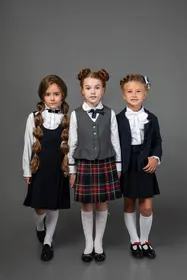
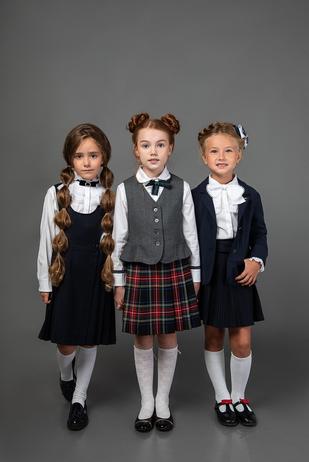
Uniforms in U.S. Public Schools: 2025 Pros & Cons

Updated
|
Uniforms in U.S. Public Schools: 2025 Pros & Cons
Explore the latest 2025 insights on school uniform policies—safety, costs, expression—with updated data and expert perspectives to help parents and educators decide.

Uniforms: The Pros and Cons (Updated for 2025) Introduction

School uniform policies remain a widely debated issue in U.S. public schools. Supporters argue uniforms promote safety and equality, while critics raise concerns about freedom of expression and family costs. This updated review uses the latest 2025 data to help parents and educators weigh the evidence.

How Common Are Uniform Policies?

  • As of 2019–20, 18.8% of public schools required uniforms, while 57% of private schools did the same (NCES Fast Facts).

  • Uniform adoption is highest in primary schools (23%), compared to 18% of middle schools and 10% of high schools (Helpful Professor).

  • 22 states and the District of Columbia explicitly authorize uniform policies at the district level (UniformMarket).

The Benefits of School Uniforms Safety & Discipline

  • In Long Beach Unified, one of the earliest large-scale adopters, officials reported declines in suspensions, crime, and vandalism after uniforms were introduced.

  • Uniforms can help staff quickly identify outsiders, enhancing security and reducing gang-related clothing visibility

School Climate & Focus

  • A study published by the American School Health Association found uniform schools saw higher attendance and modest gains in core subject performance (2024).

  • Education Week surveys report

. . .read more

If Your Child Misses First-Choice Public School

Updated
|
If Your Child Misses First-Choice Public School
Help your child thrive—learn next steps when first-choice public school enrollment fails, including waitlists, appeals, and smart backup plans.

A Parent’s Guide: What to Do if Your Child Doesn’t Get into Your First-Choice Public School Introduction

It’s disappointing when your child doesn’t get into your first-choice public school—but it’s far from the end of the road. This guide walks you through clear, practical next steps: joining waitlists, appealing decisions, exploring alternatives, and protecting your child’s best interests. We’ll also share current stats and practical insights to help you navigate this stressful moment confidently.

Understanding the Situation: How Often Does This Happen?

  • In England and Wales, about 92.5% of families secured a place at their first-choice primary school, and 98.3% at one of their top three options. Rates varied significantly by area, dropping to 70% in some high-demand districts.

  • In England, waitlists and appeals are common, but success is rare unless there’s an admissions error or valid special circumstances (e.g., documented medical need).

  • In some secondary school systems (e.g., UK), around 82.9% gain admission to their first choice; families have the right to appeal, but should simultaneously accept another offer to avoid leaving a child without a school place

Step-by-Step: What You Can Do Now

1. Accept the Available Offer (Sooner Rather Than Later)

Even if disappointed, accept the offered place right away. It secures your child’s enrollment and doesn’t affect your right to appeal. Several systems (e.g., in England) advise this as “best practice”

. . .read more

A Parent’s Guide to Public School Enrollment: Deadlines, Paperwork, and Common Pitfalls

Updated
|
A Parent’s Guide to Public School Enrollment: Deadlines, Paperwork, and Common Pitfalls
Everything parents need: enrollment deadlines, paperwork essentials, common pitfalls, and up-to-date school stats for smooth public school admission.

A Parent’s Guide to Public School Enrollment: Deadlines, Paperwork, and Common Pitfalls

Introduction

Enrolling your child in public school is exciting—but can feel overwhelming. This guide walks you through timelines, required paperwork, and frequent missteps, using clear, parent-friendly language. It also includes current statistics: average per-student spending, student–teacher ratios, and how school demographics vary, helping you make informed decisions.

Why Timely Enrollment Matters

Signing up your child early ensures you secure a placement, avoid waitlists, and give both family and school time to plan. Missing key deadlines can mean being pushed into group assignments, less-preferred schools, or delayed start dates.

Key Enrollment Deadlines

Early Enrollment (typically January–March)

Most districts begin pre-kindergarten through grade 12 enrollment in winter:

  • Pre-K programs may open as early as January 1, especially for children turning 4 by September 1.

  • Kindergarten and higher: February–March deadlines are common.

  • Proof of residency (utility bill, lease agreement) and birth certificate are usually required during this window.

Mid-Year Transfers (often by December)

Transferring mid-year usually requires:

  • A transfer form from both districts.

  • Your most recent report card and attendance records.

  • Immunization records to meet health requirements.

Summer Fall Enrollment (April–July)

  • Many districts allow summer enrollment, but spaces

. . .read more

School Safety: Shootings

Updated
|
School Safety: Shootings
Essential guidance for parents and teachers on school safety protocols and preventive measures, with practical strategies for protecting students while maintaining a balanced, secure learning environment.

School Safety: Shootings

As I began my research for this article on school shootings, I thought it best to look at the history of shootings in American schools. I expected the timeline to cover the 19th and 20th centuries, but I wasn't prepared to discover that the first shootings dated back to the 1700s.

Having documented shootings, let us look at what you and I can do to keep our children safe in schools at every level.

Inspired by past school shooters, some perpetrators are seeking fame and notoriety. However, most school shooters are motivated by a generalized anger. Their path to violence involves self-hate and despair turned outward at the world, and our research finds they often communicate their intent to do harm in advance as a final, desperate cry for help. The key to stopping these tragedies is for society to be alert to these warning signs and act on them immediately. from What we know about mass school shootings

. . .read more

Recent Articles

Media Literacy as a Core Skill: How to Tell if a School Teaches It Well
Learn how to evaluate whether a public school teaches media literacy effectively, from fact-checking and source evaluation to digital citizenship and critical thinking.
Screen Time, Paper Learning, and the New Back-to-Basics Debate
Explore why some public schools are reducing screen time, bringing back paper learning, and rethinking the balance between technology and traditional instruction.
Student Data, AI Tools, and Privacy: Questions to Ask Your District
Learn how public schools use AI, protect student data, and the key privacy questions every parent should ask their school district in 2026.

Evaluating Public Schools

SCHOOL ZONING
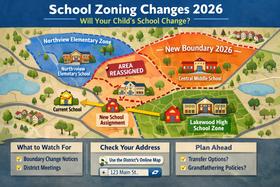
Learn more about zoning rules, how they impact schools and your child. This section offers information on the history of school zones, what they are, and how they work. Get information on who decides school boundaries and the impact those decisions have on the community.
GETTING STARTED
An overview of school designations, best practices for evaluating your options, and tips on choosing the best school for your child. Learn about Blue Ribbon, Vocational and Special Education schools. Get tips on finding the right school in a new neighborhood, city or state.
GRADING AND RANKING SCHOOLS
Explore the public school grading/ranking system, how it works and what it means. Get latest national rankings and read what critics of school grading have to say. Take a look at the nation’s top performing schools as ranked by U.S. News and Newsweek.
PUBLIC SCHOOL SAFETY
A comprehensive look at the safety of US public schools. Learn what schools are doing to combat gangs and drugs, prepare for natural disasters, and protect your children from predators. From web cameras to armed guards, see what tools public schools are employing to keep kids safe.
PUBLIC VS. PRIVATE SCHOOLS
A comparison of public and private schools, the pros and cons of each, and a look at the cost of getting a stellar education at both. Take a look at some of the most expensive schools, notable public school alumni, and learn more about “private” public schools.